Our November 2025 Journey to East Sepik Province, PNG — A Transformative Visit
In November 2025, The Highlands Foundation travelled to the East Sepik Province to officially hand over our long-awaited medical container and strengthen partnerships that are vital for improving women’s and children’s health in some of the most remote parts of Papua New Guinea.
The trip marked the culmination of almost two years of volunteer effort to source, pack, document, and ship a container of medical supplies valued at over $100,000 AUD, delivered to support frontline maternal and child health services in one of PNG’s most geographically and systemically challenged provinces.
What unfolded over five intense days was a powerful reminder of both the challenges and the extraordinary resilience of the communities we serve.
A Warm Welcome — and a Recognition of Our Work
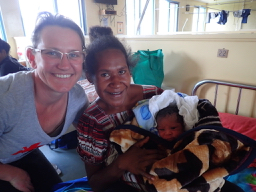
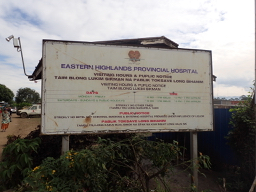
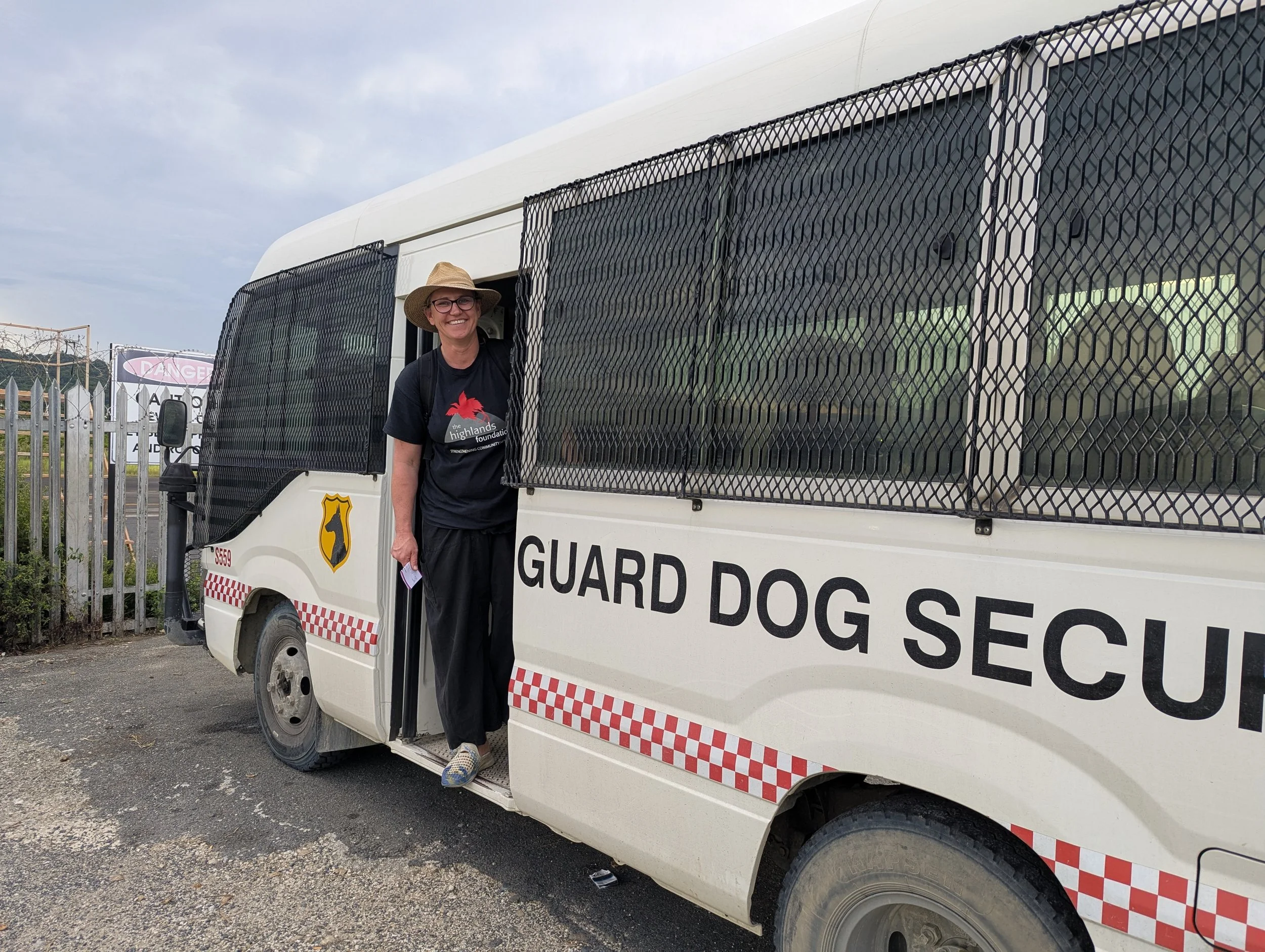
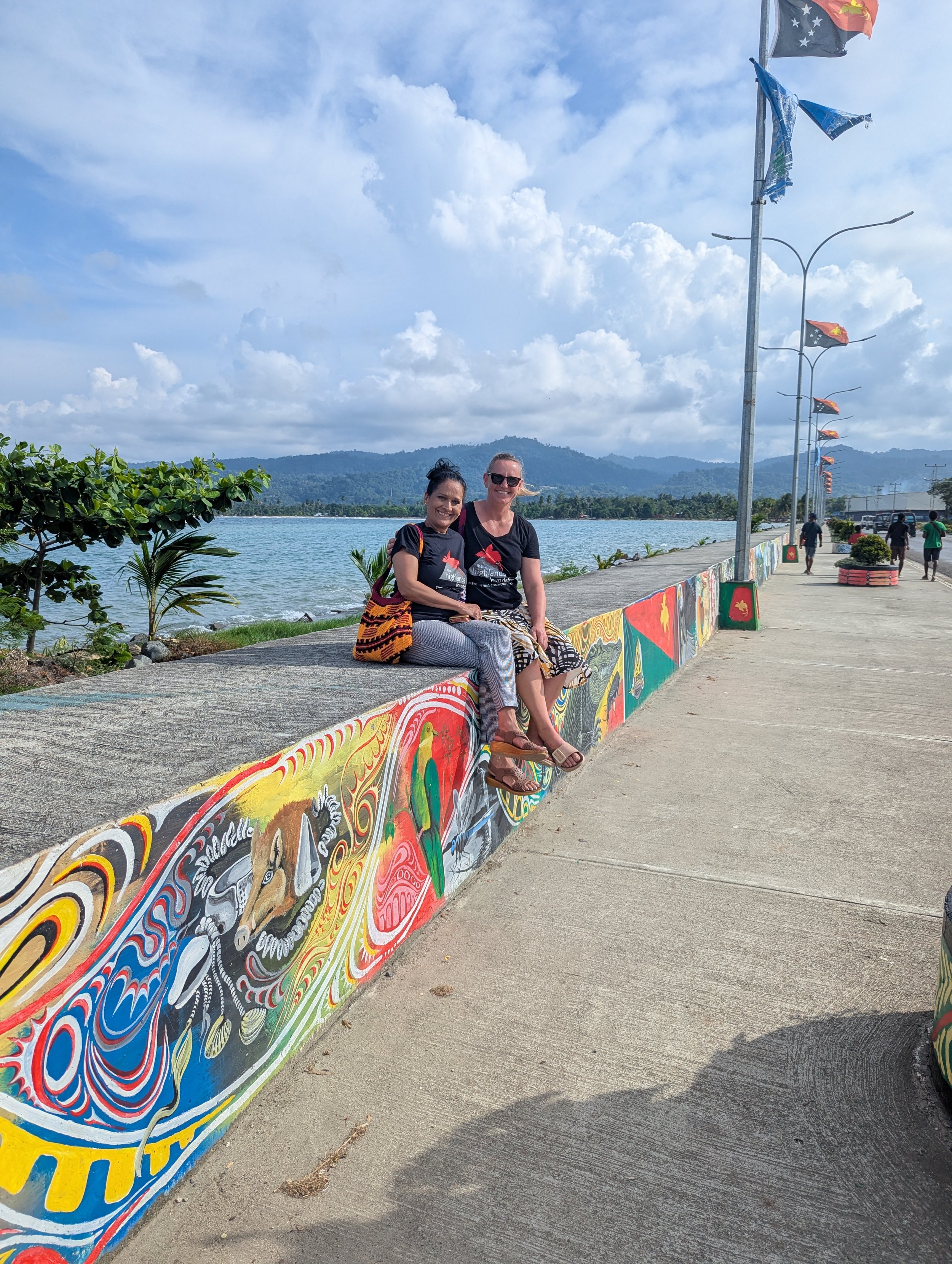
Foundation President Marie and Secretary Kylie were welcomed in Wewak to officially hand over the container, acknowledging the dedication of our volunteers whose work ensured essential medical items reached the province.
Across five tightly scheduled days, the Foundation focused on:
Partnership development with provincial and district health leaders,
Firsthand observation of maternal and infant mortality pressures, an
Immediate distribution of emergency supplies where shortages were most critical, such as providing syringes to the emergency department (the country is currently out of these vital consumables), gloves to the theatre and blueys to the labour ward.
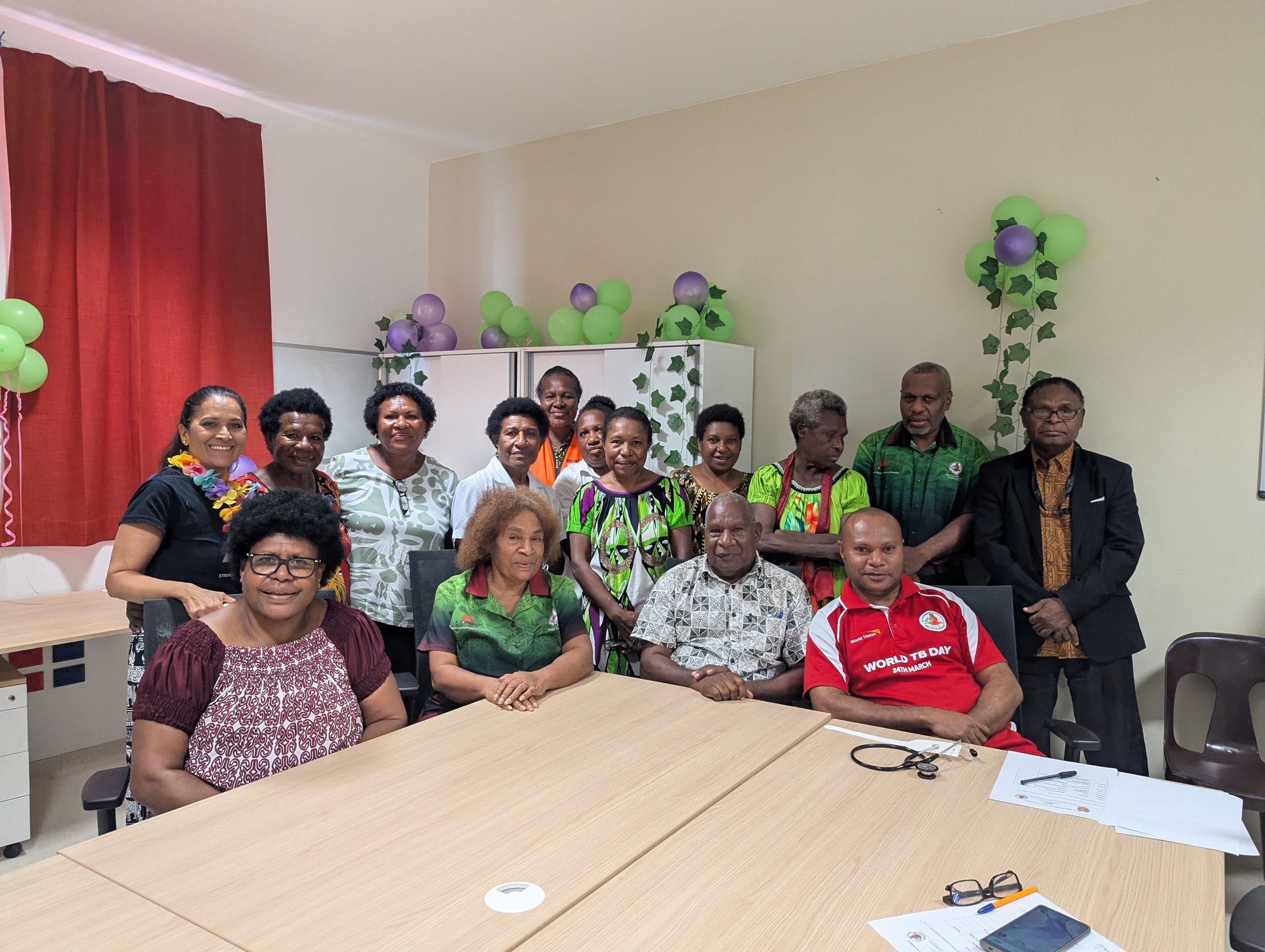
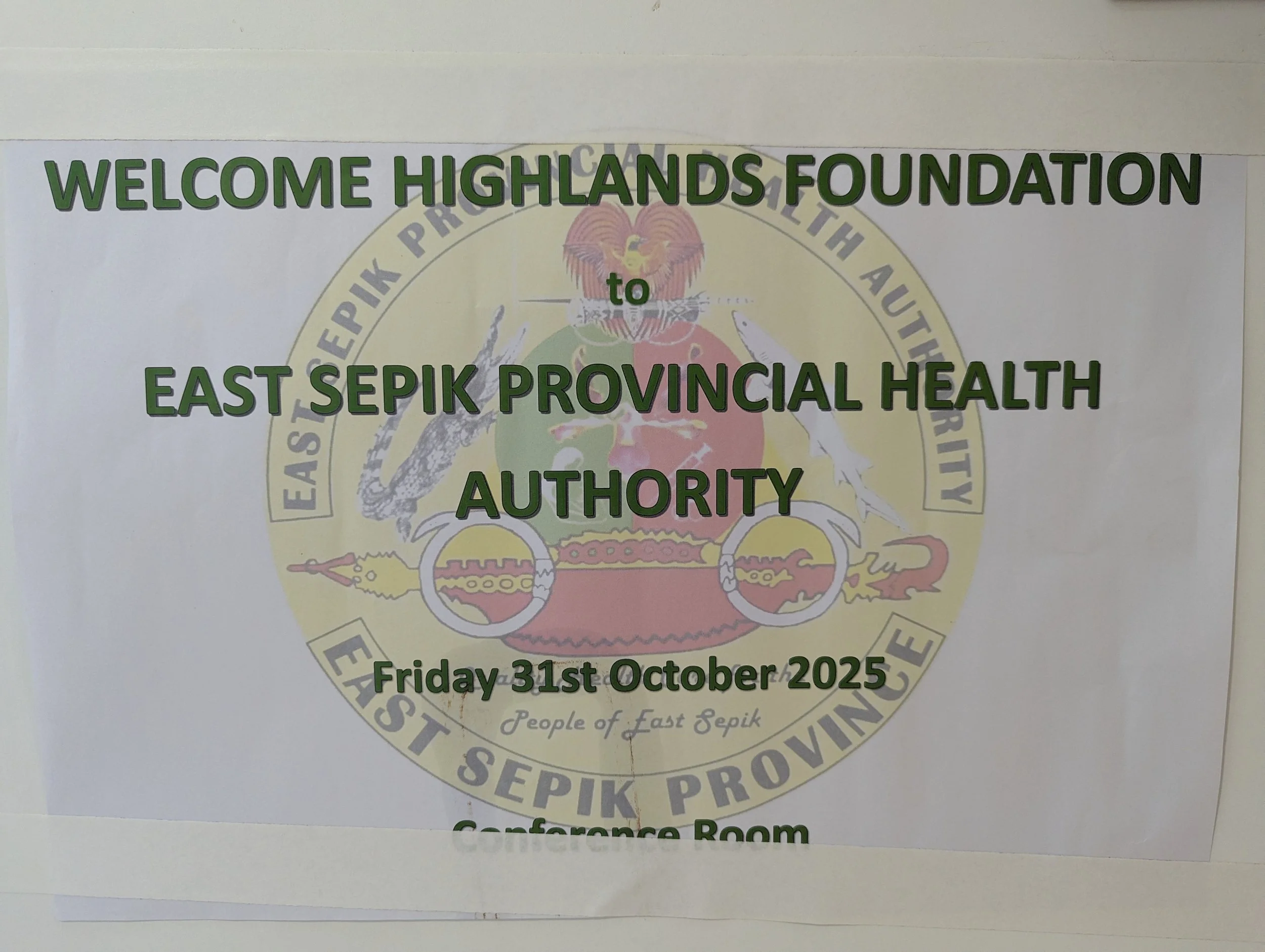
We were honoured to be welcomed by the East Sepik Provincial Health Authority, including:
The Director of Curative Health,
The Director of Programs & Public Health,
The province’s only obstetrician, Angela,
The province’s, two paediatric specialists,
Director of Nursing, Linda Tano who initiated this project and worked closely with many sections of the ESPHA to ensure the container safely arrived in Wewak. Her dedication to the people of East Sepik was evident every day through her tireless support of health staff at Wewak Provincial Hospital and Yangoru District Hospital, as well as her strong connections with Rotary and the broader community.
Yangoru Saussia District Health Manager and Midwife Glenis Wopmi of Yangoru-Saussia, who curated the container wish list.
The province currently has 33 international and local partners, and during our visit we were formally invited to become their 34th partner — a meaningful acknowledgement of the Foundation’s long-term commitment.
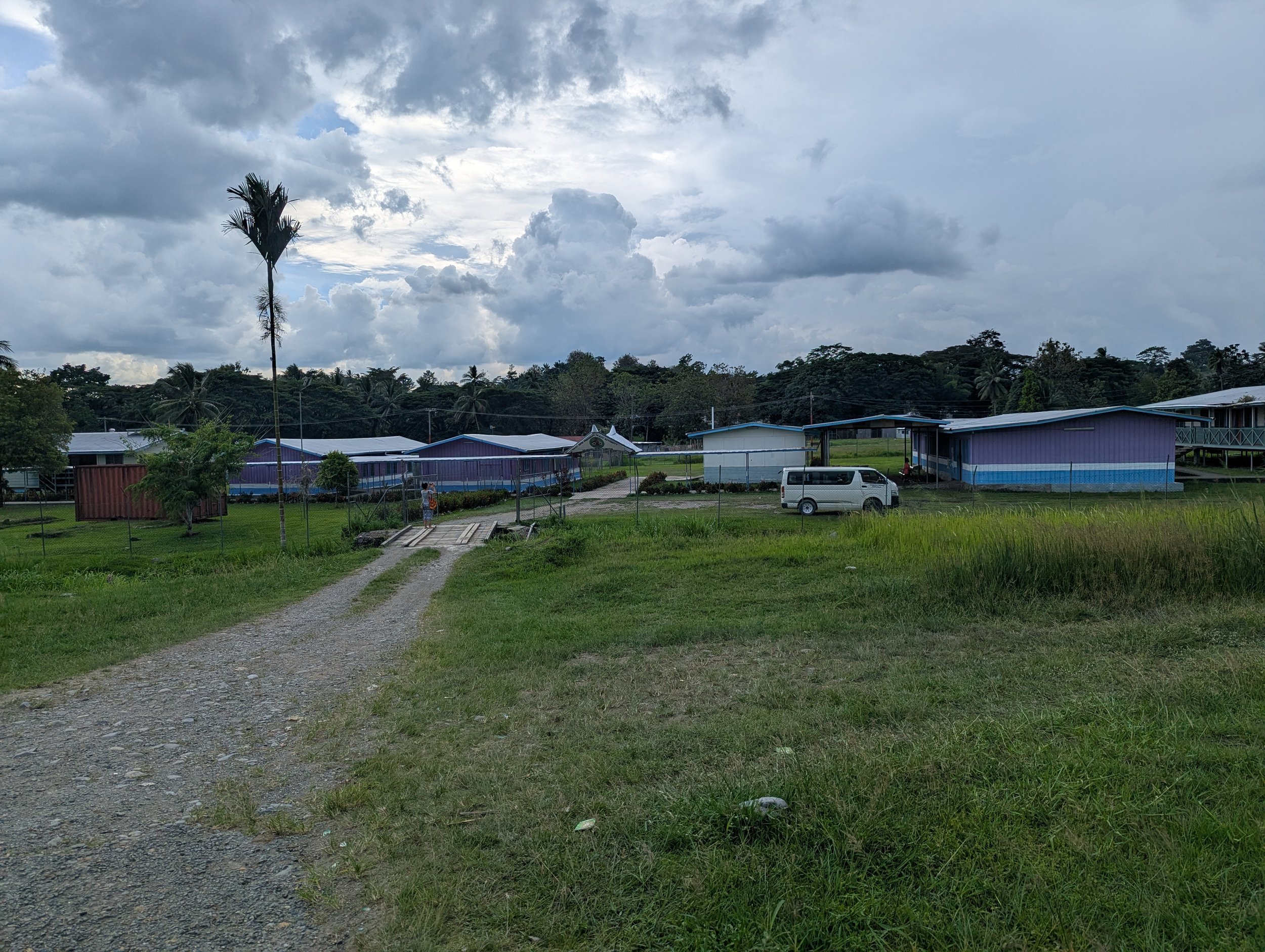
The container contents are bound for the Yangoru Saussia District, 4 hours north, into the hills from Wewak. Linda and Glenis will put together a container committee who will be responsible for distributing the container contents. Some will stay in Wewak to support health delivery in the Provincial hospital, but most items will be sent to Yangoru, distributed amongst the district health centre and supporting health outposts.

Understanding the Reality: A Province Facing Enormous Challenges
The Director of Public Health described East Sepik as “a challenging place to be”:
It is PNG’s second-largest province with 6 districts.
Over 250 health facilities since the 1980s; with 79–120 rural posts reopened in the last four years under a strong new health management team, lead by the CEO Mathew
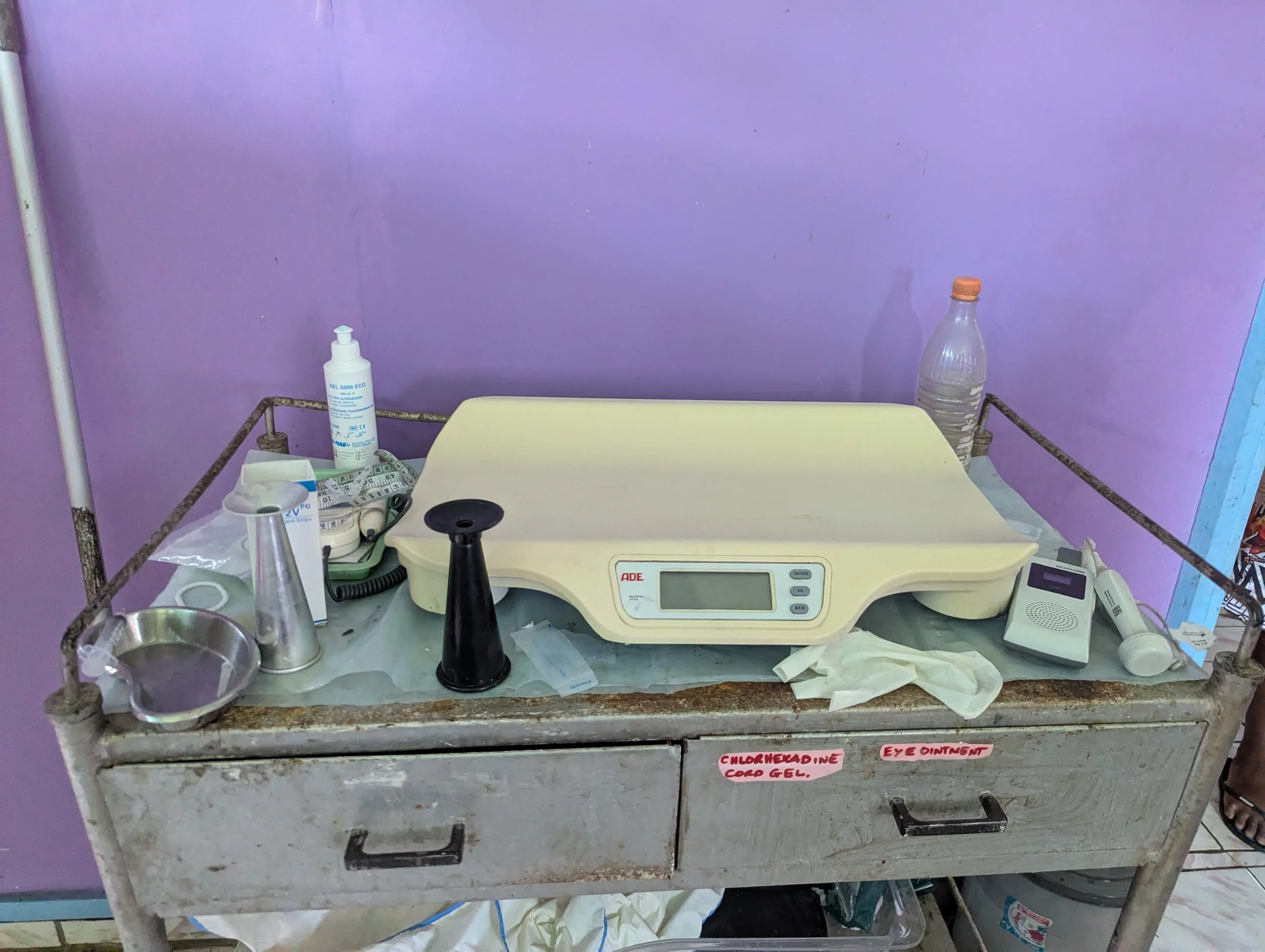
Many facilities lack power, water, sterilisation equipment, and basic medical tools.
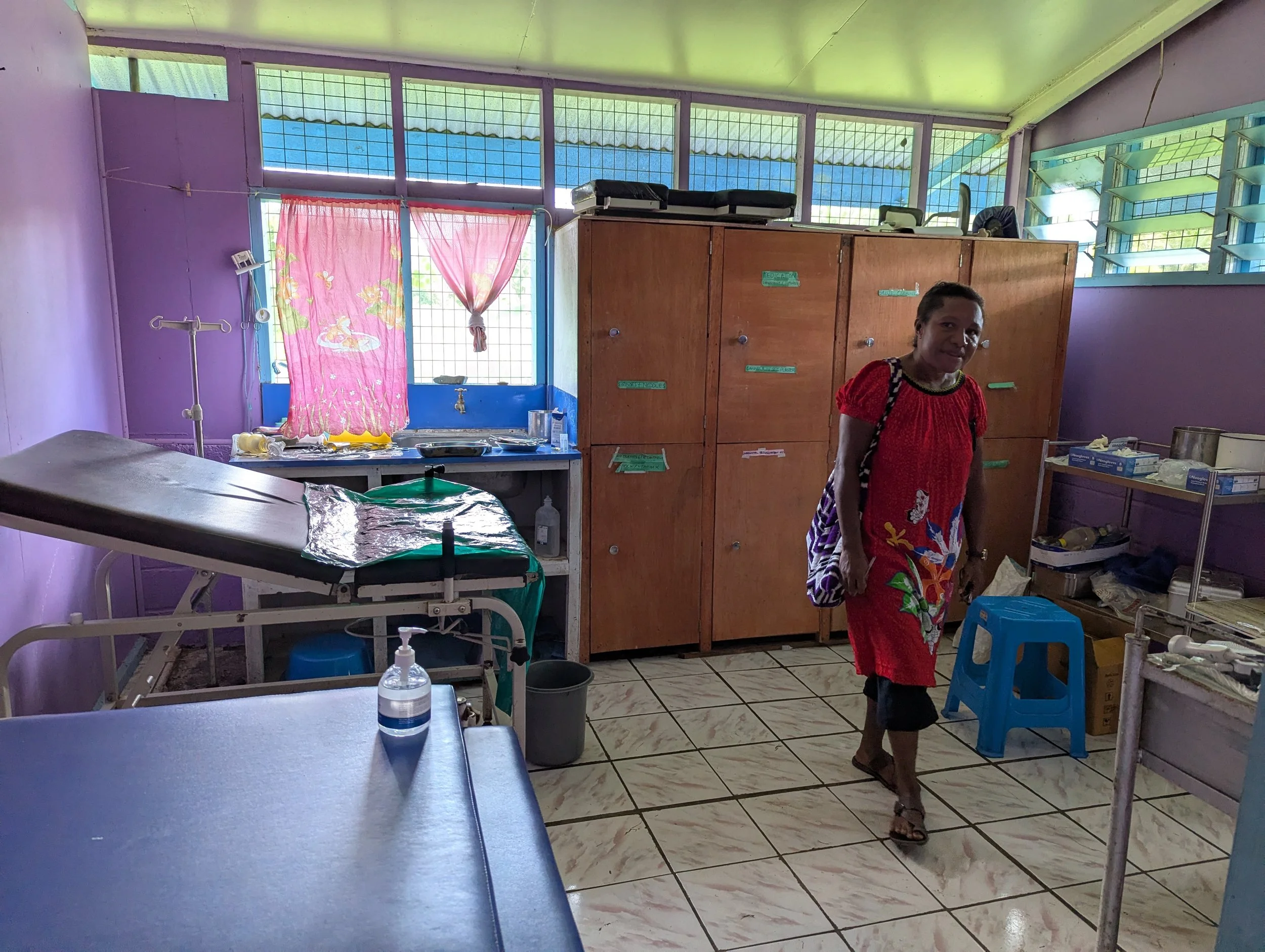
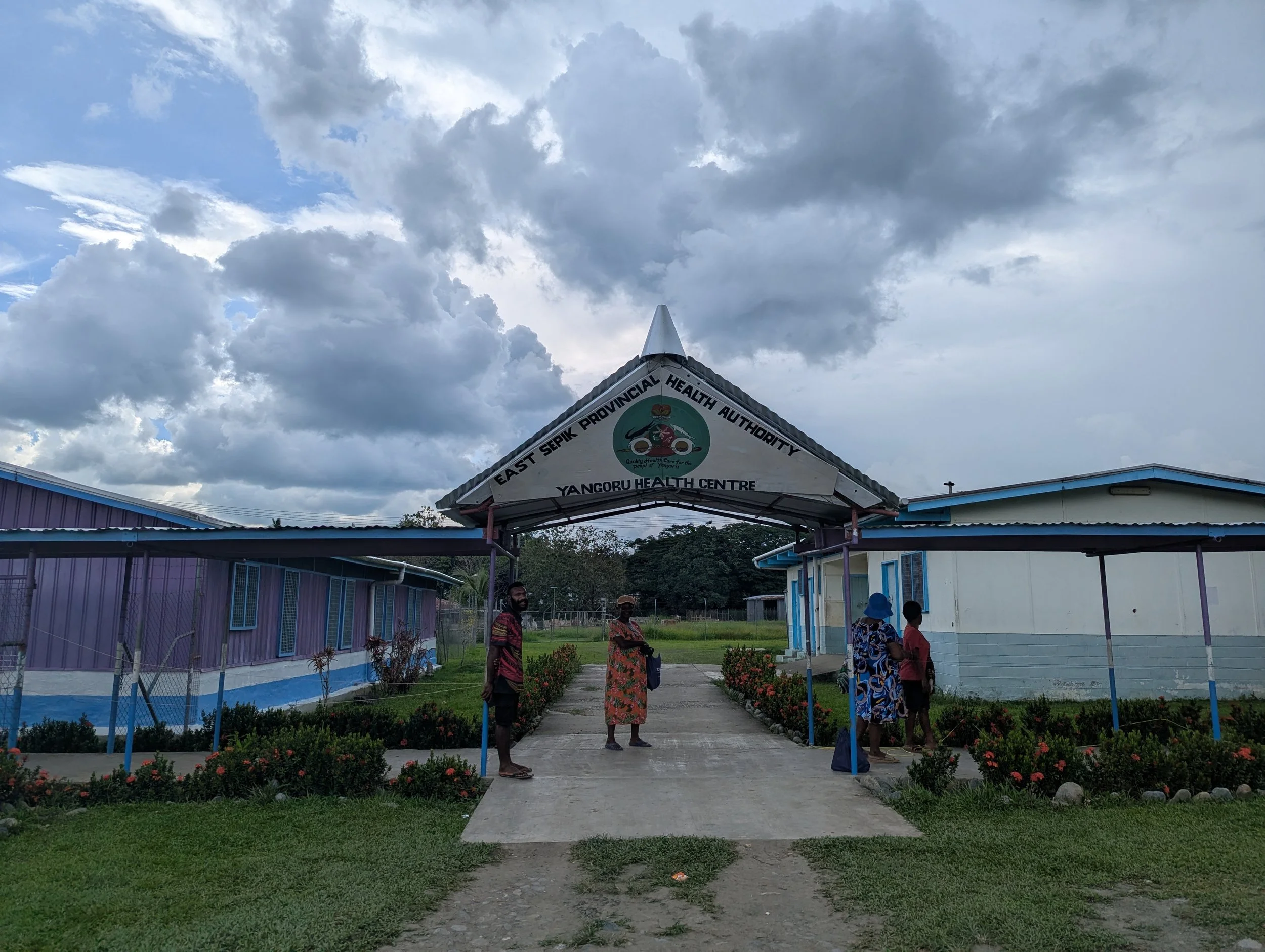
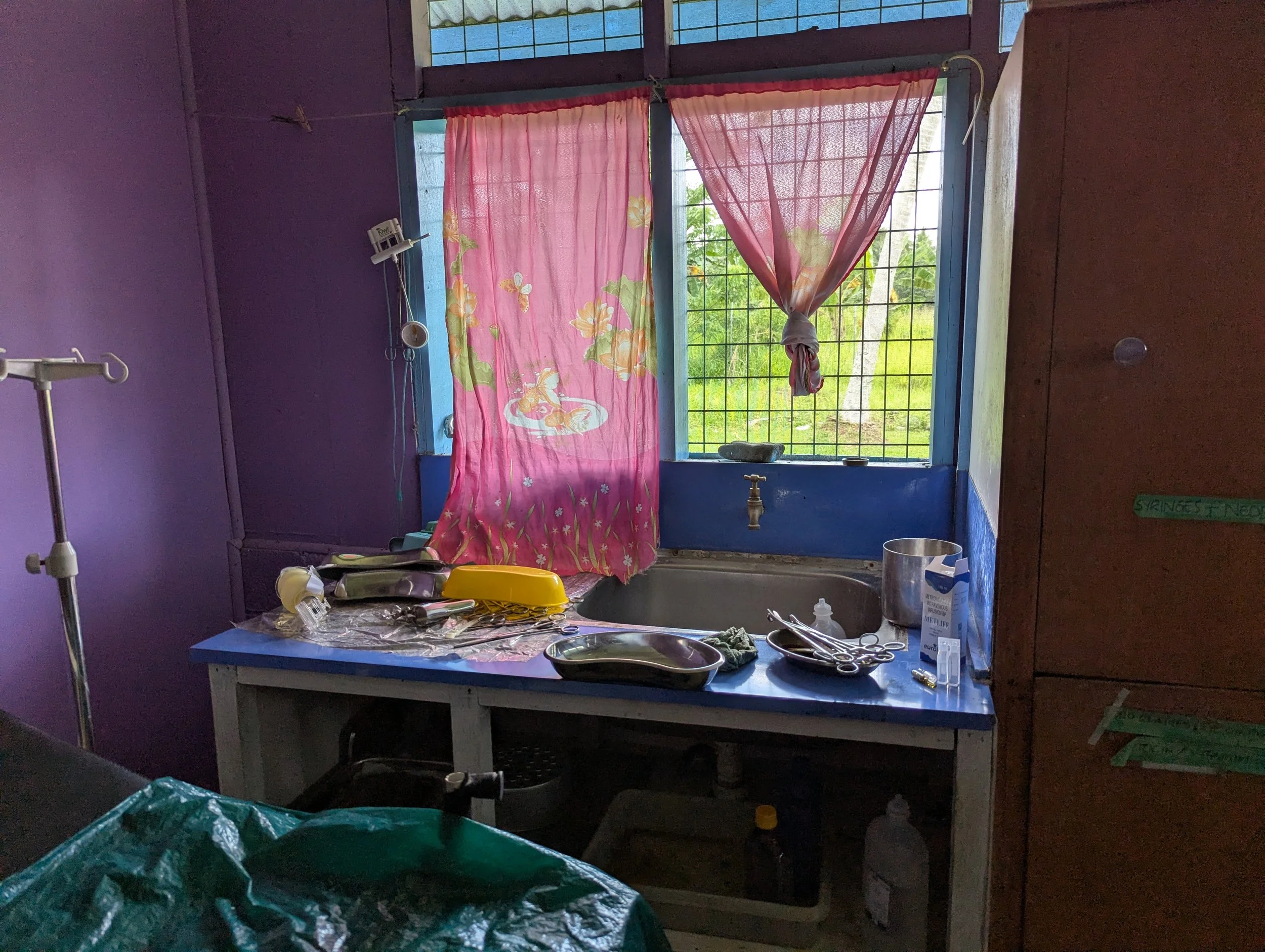
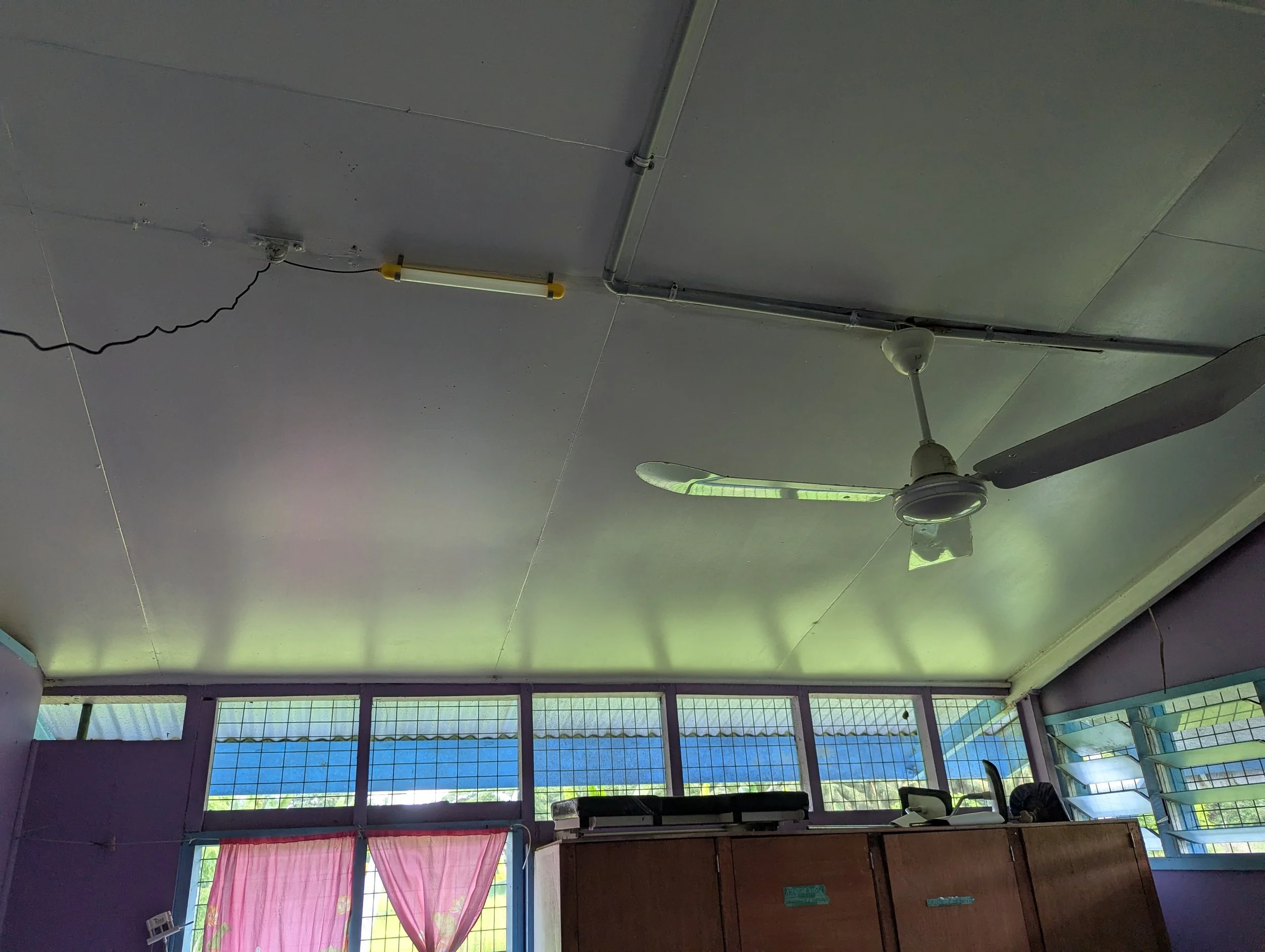
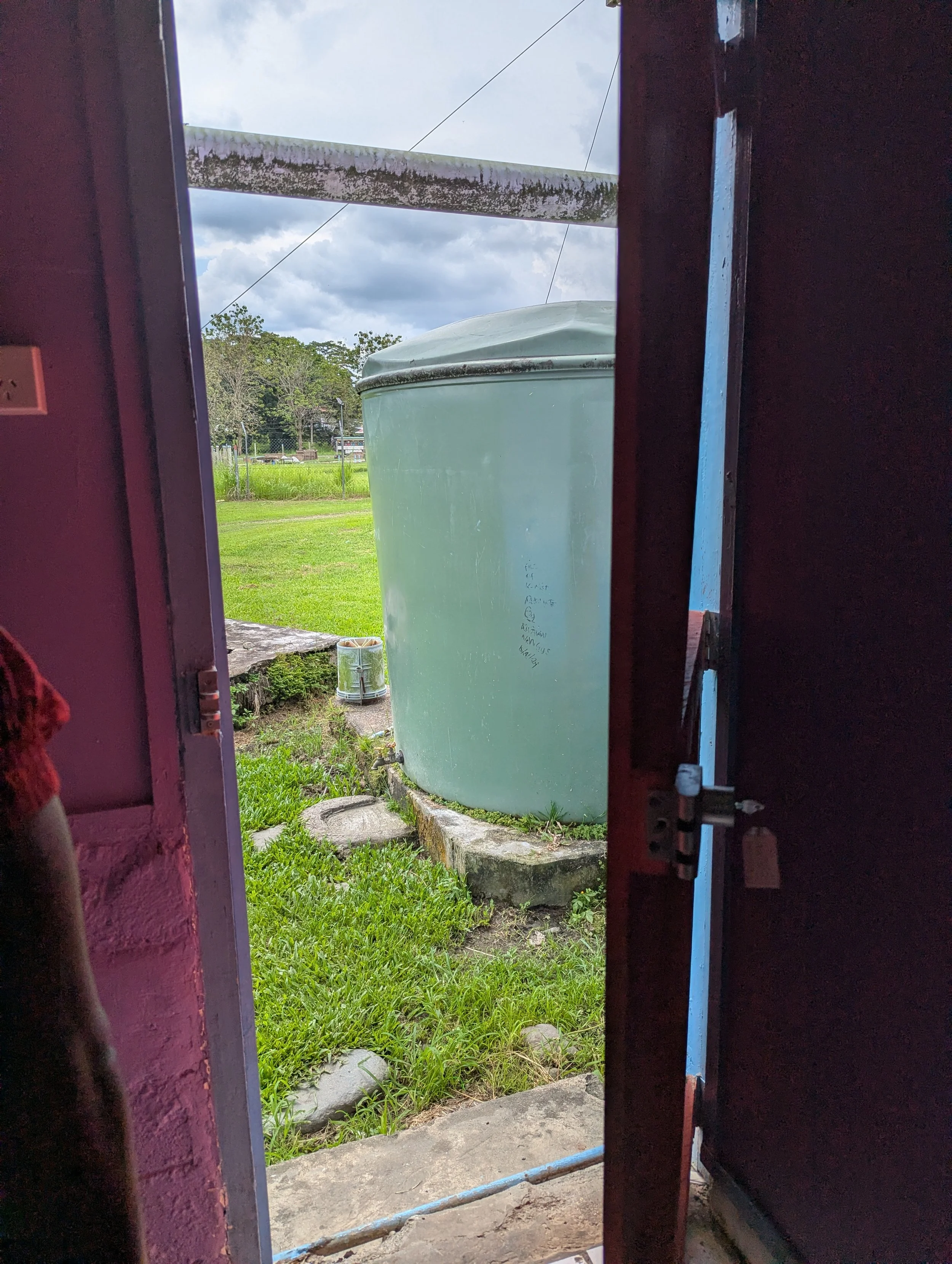
The Yangoru Saussia District Health Centre has had no electricity for 10 months, relies on two solar lights, and has no running water, utilising a water tank to supply water in buckets.
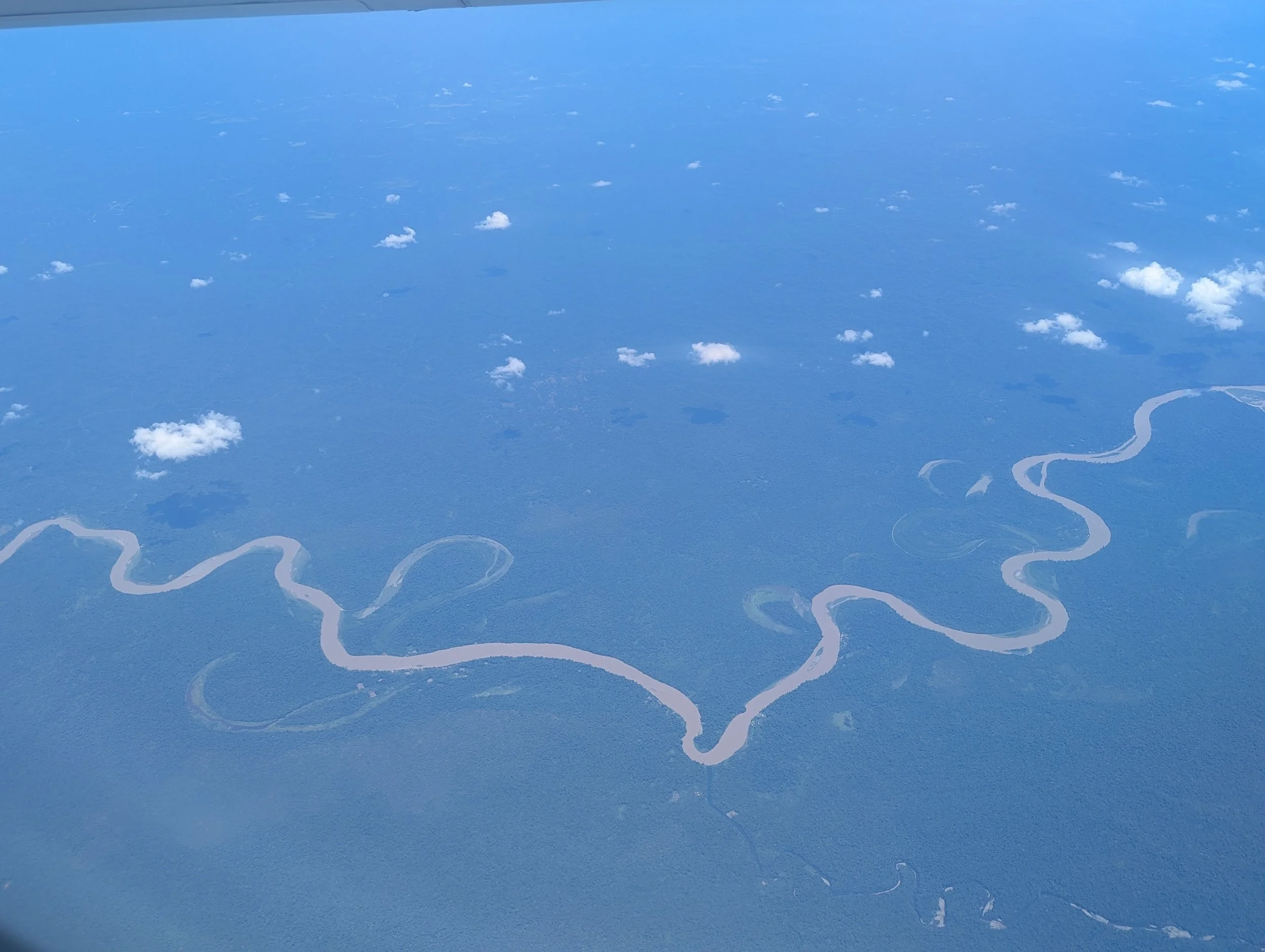
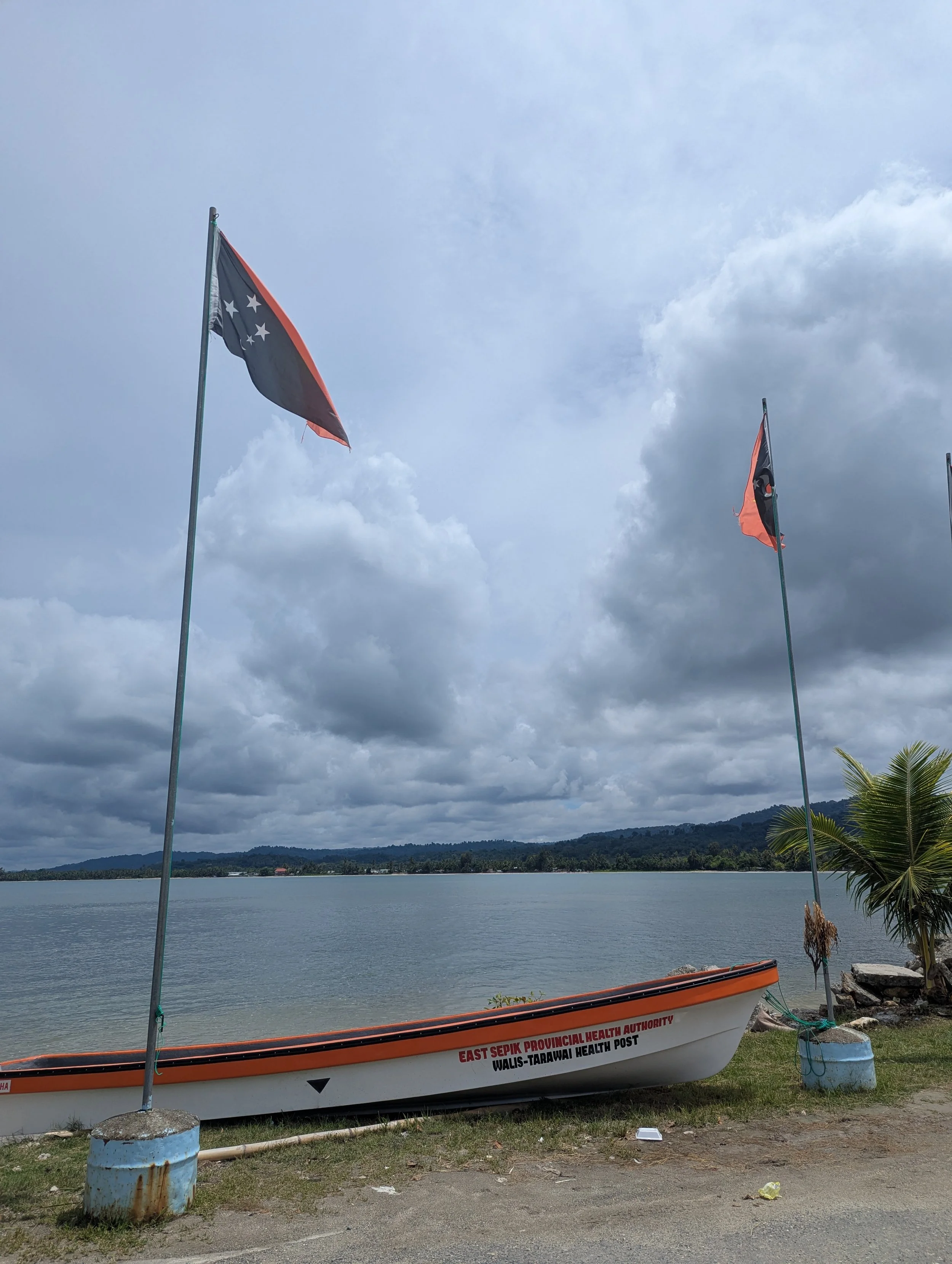
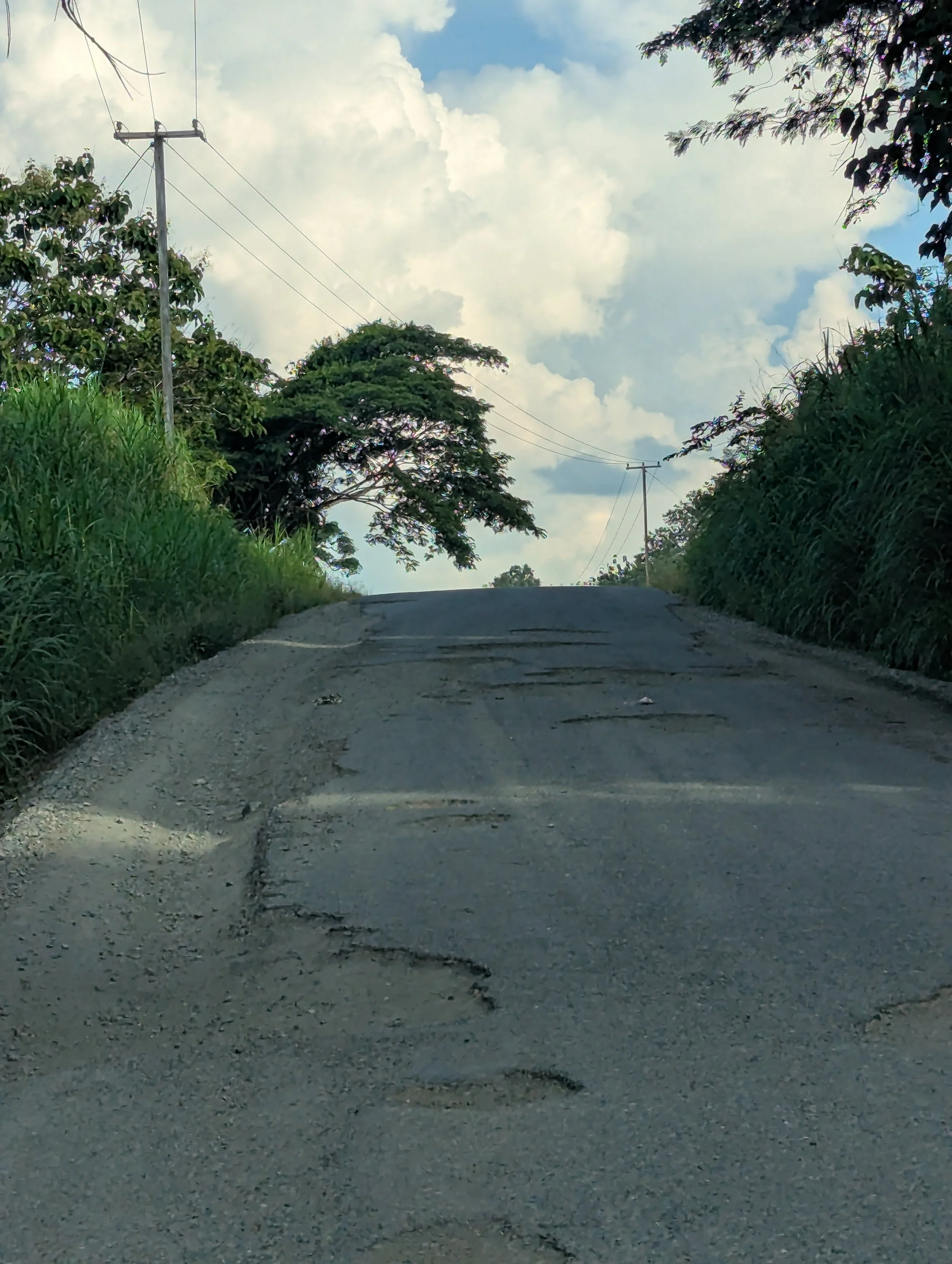
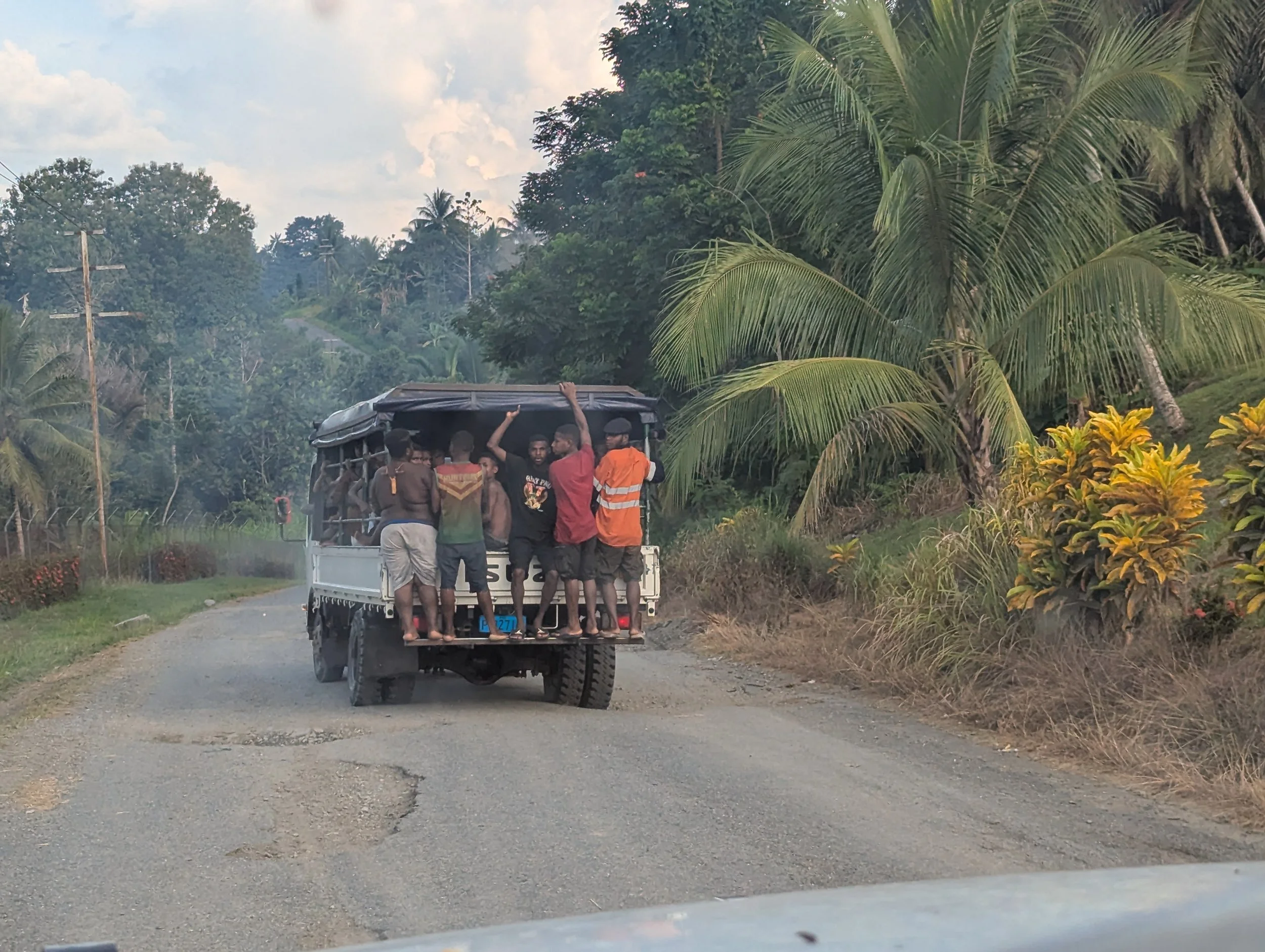
The Provincial Health Service takes in the Sepik River, the largest river system in PNG, with villagehealth centres scattered along it’s winding shores, costal areas, highlands and it services over 100 islands. Petrol is expensive and there are limited boats, unsealed, winding roads are difficult to drive.There is irregular water supplies and power outages are common. Most rural services rely on solar lights and tank water.
The needs are profound. A paediatrician summarised the situation simply and powerfully:
“I have been sent into war without the right weapons.”
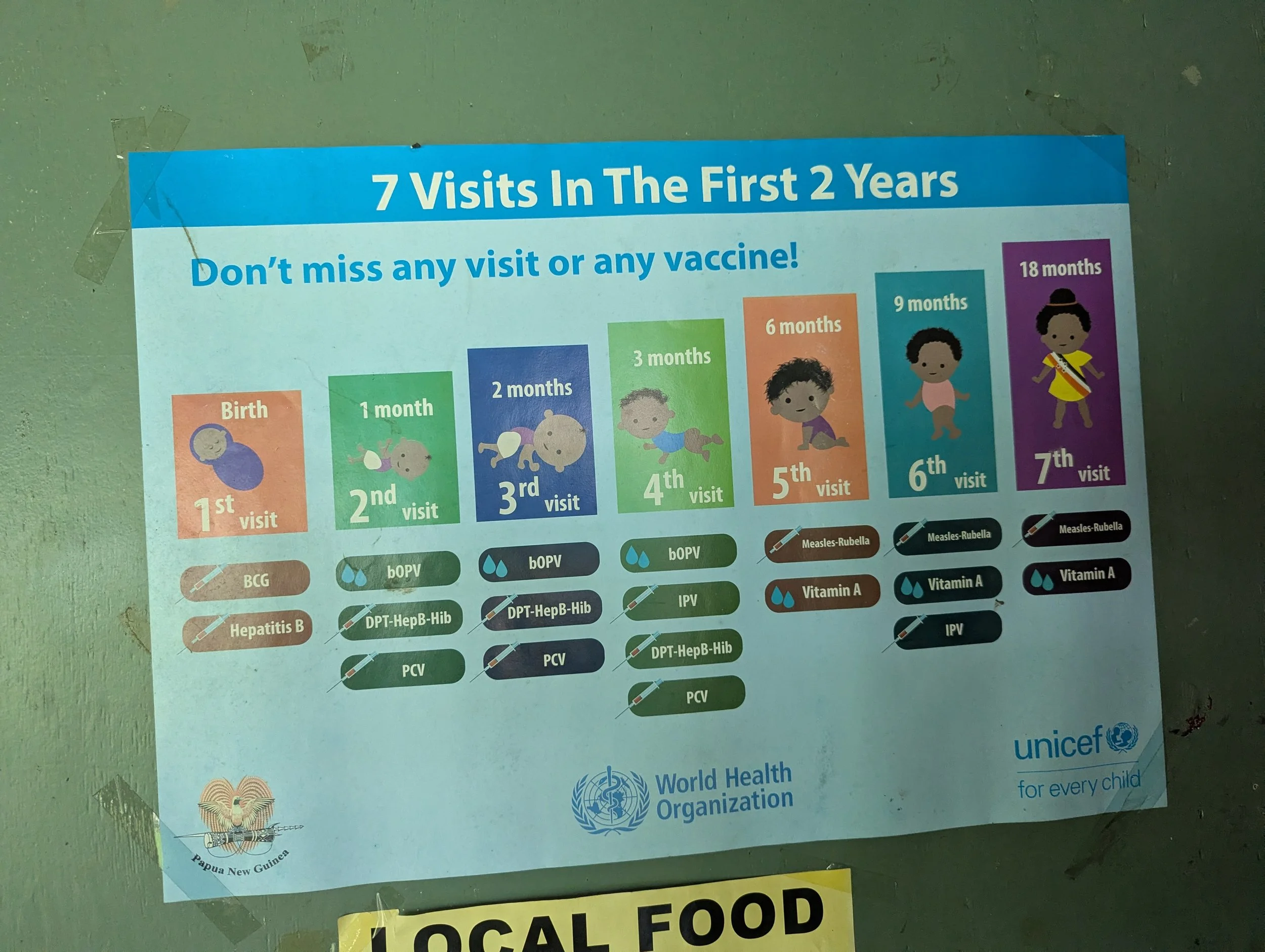
Frontline Realities: Two Births That Will Stay With Us Forever
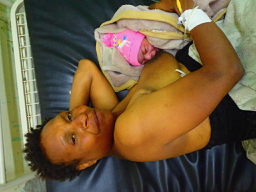
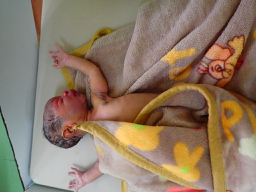
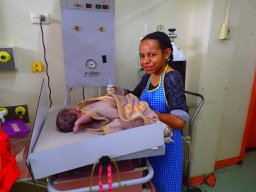
During field visits, we experienced firsthand the courage of local health workers and the consequences of limited resources.
1. Kairiru Island (Population 2,500–3,000)
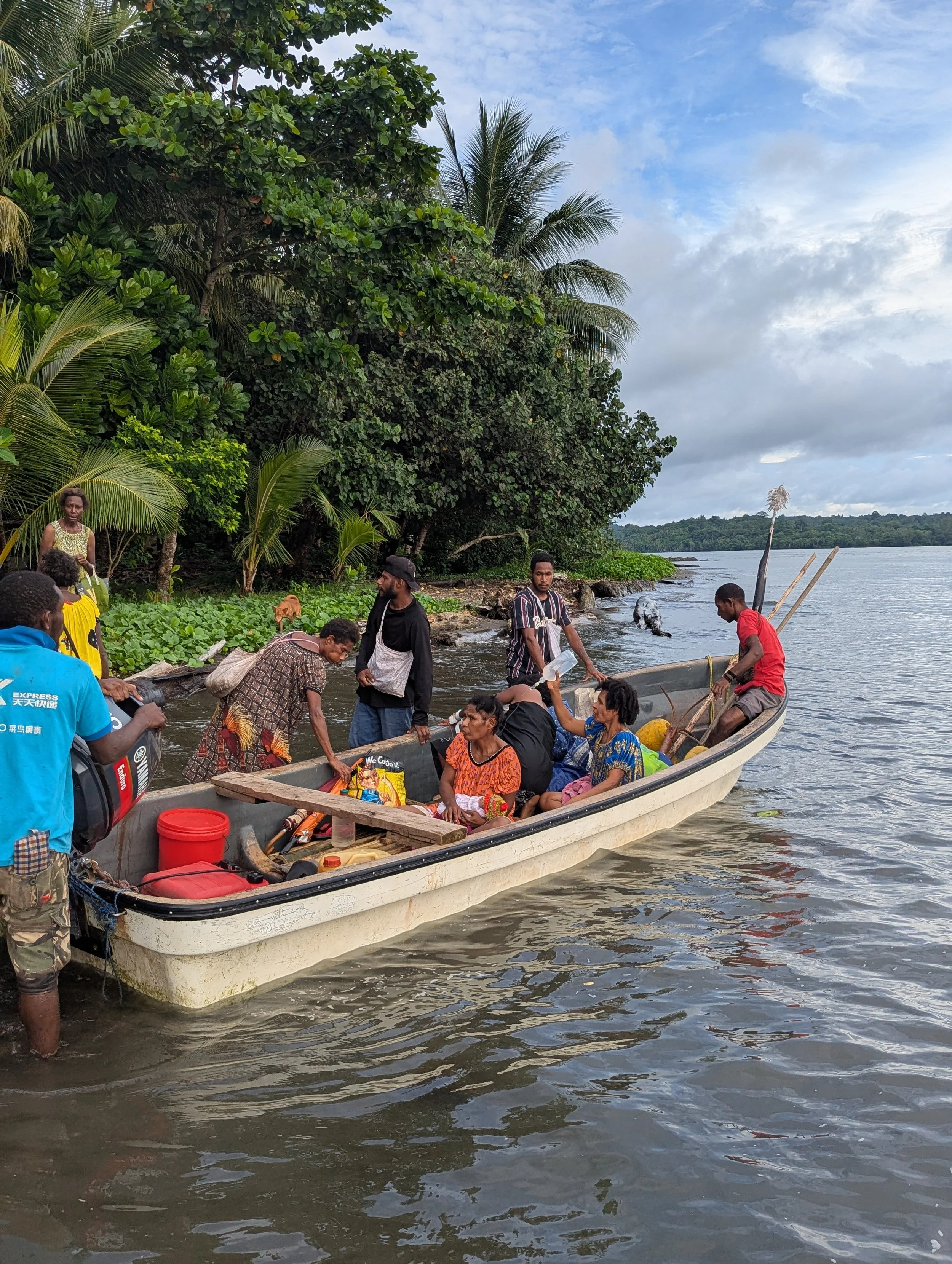
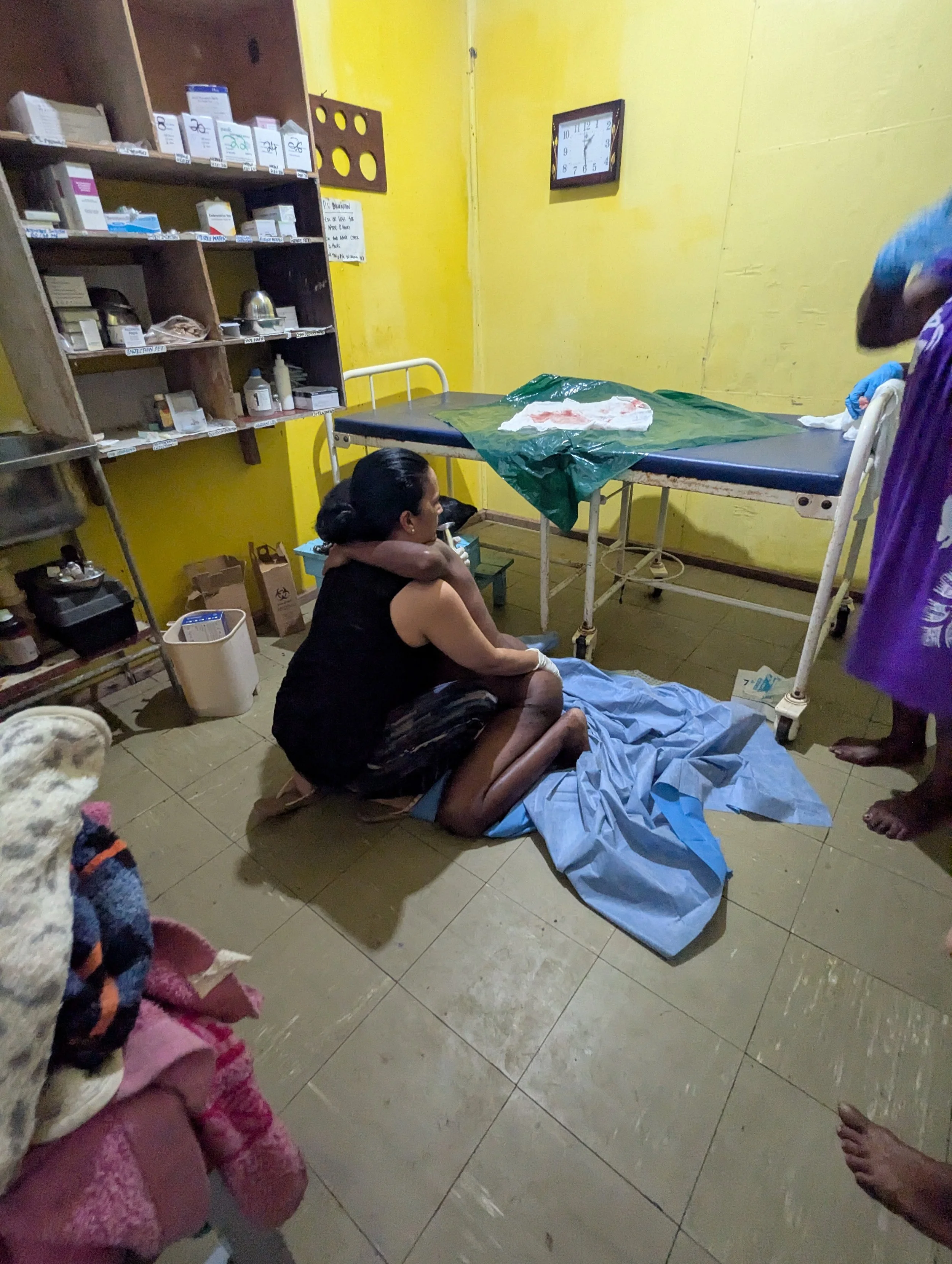
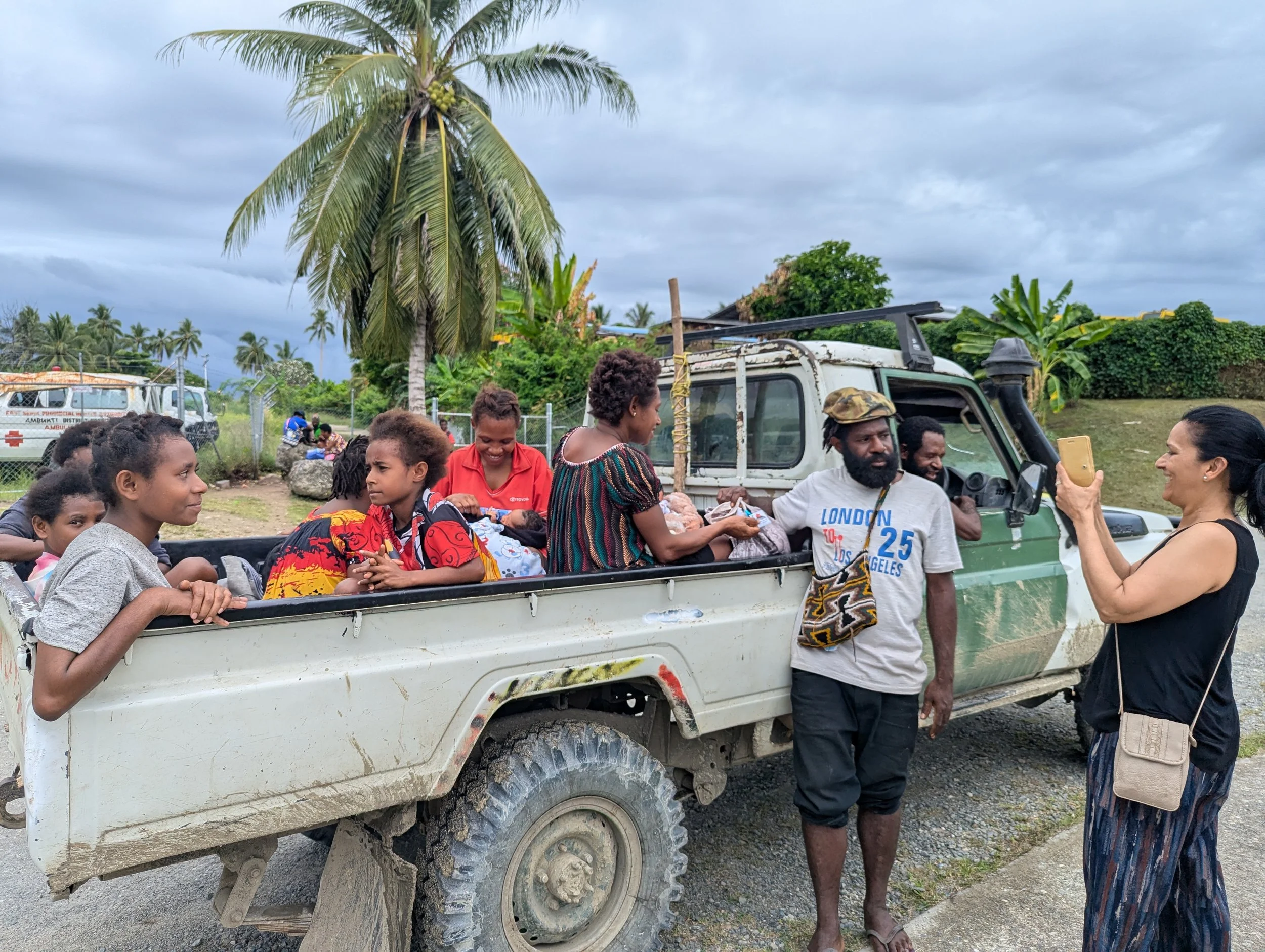
Upon arrival at the island health centre following a bumpy 40minute trip in a small, open speed boat, packed high with people and supplies, the facility was visibly run down, without electricity, running water, or sterilisation equipment — water is carried in by bucket and only two small lights are powered by limited solar energy.
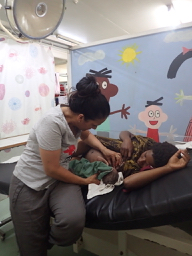
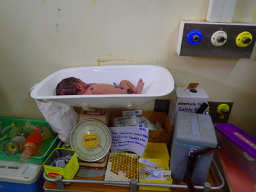
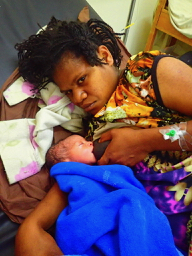
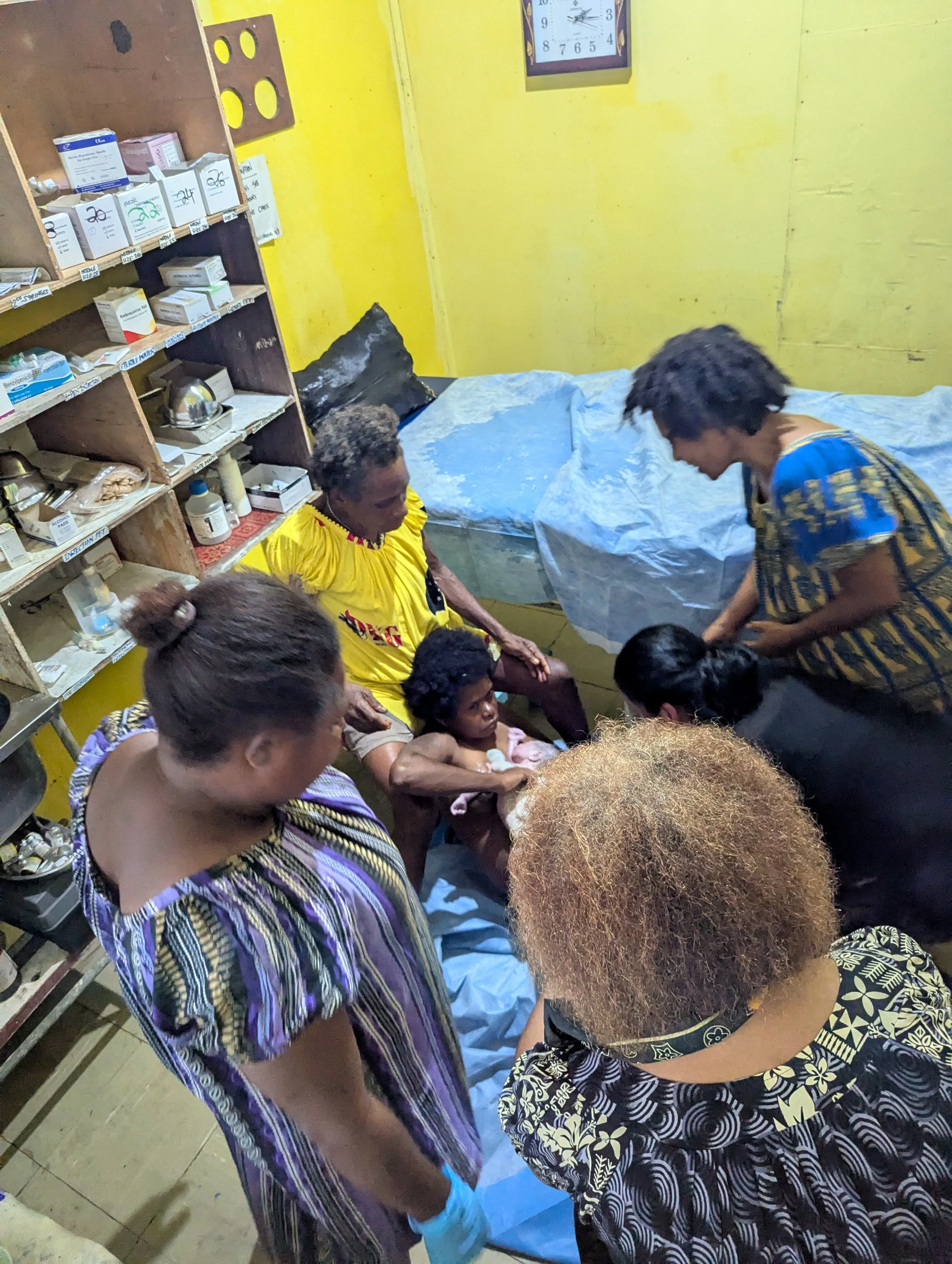
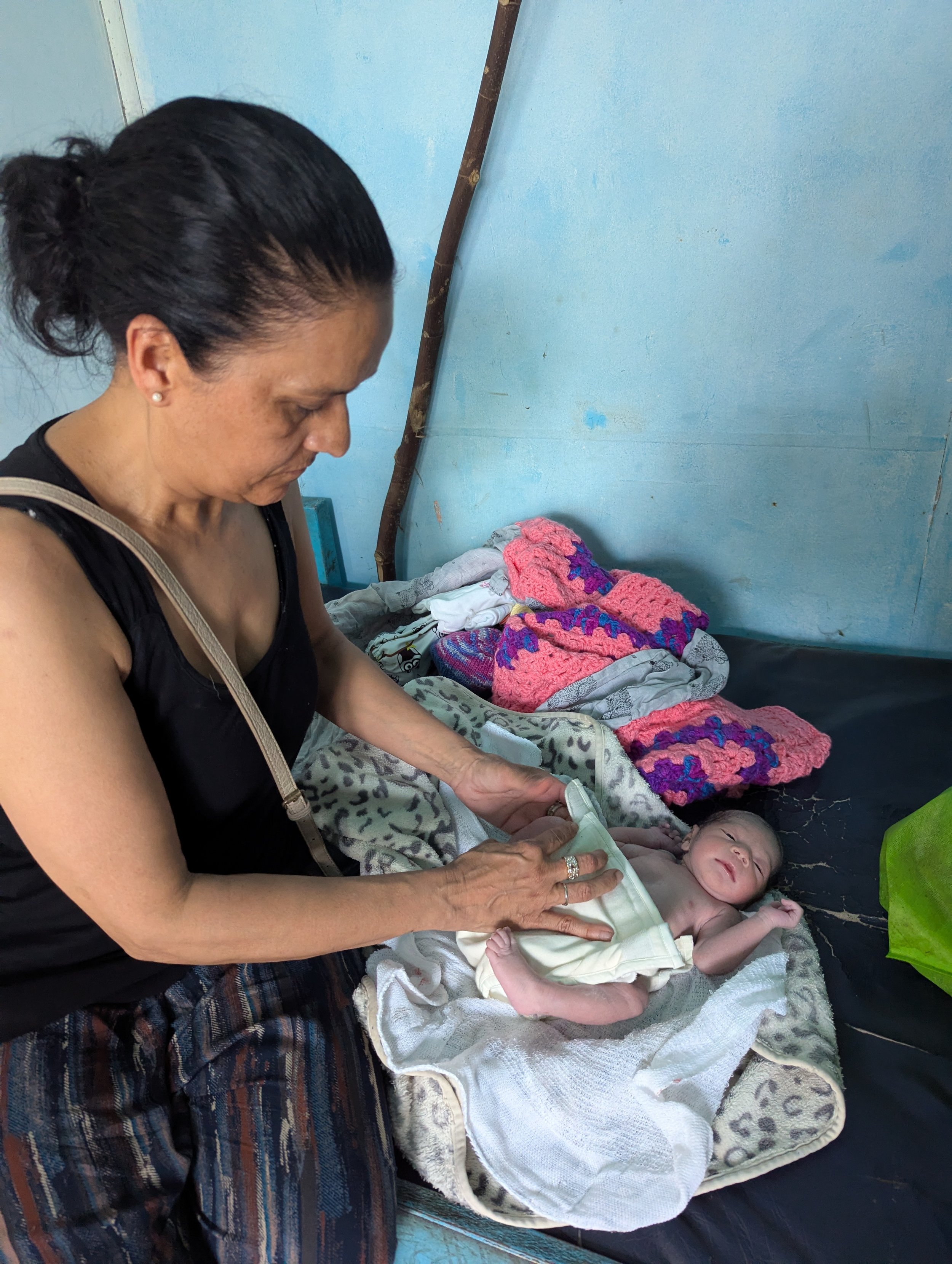
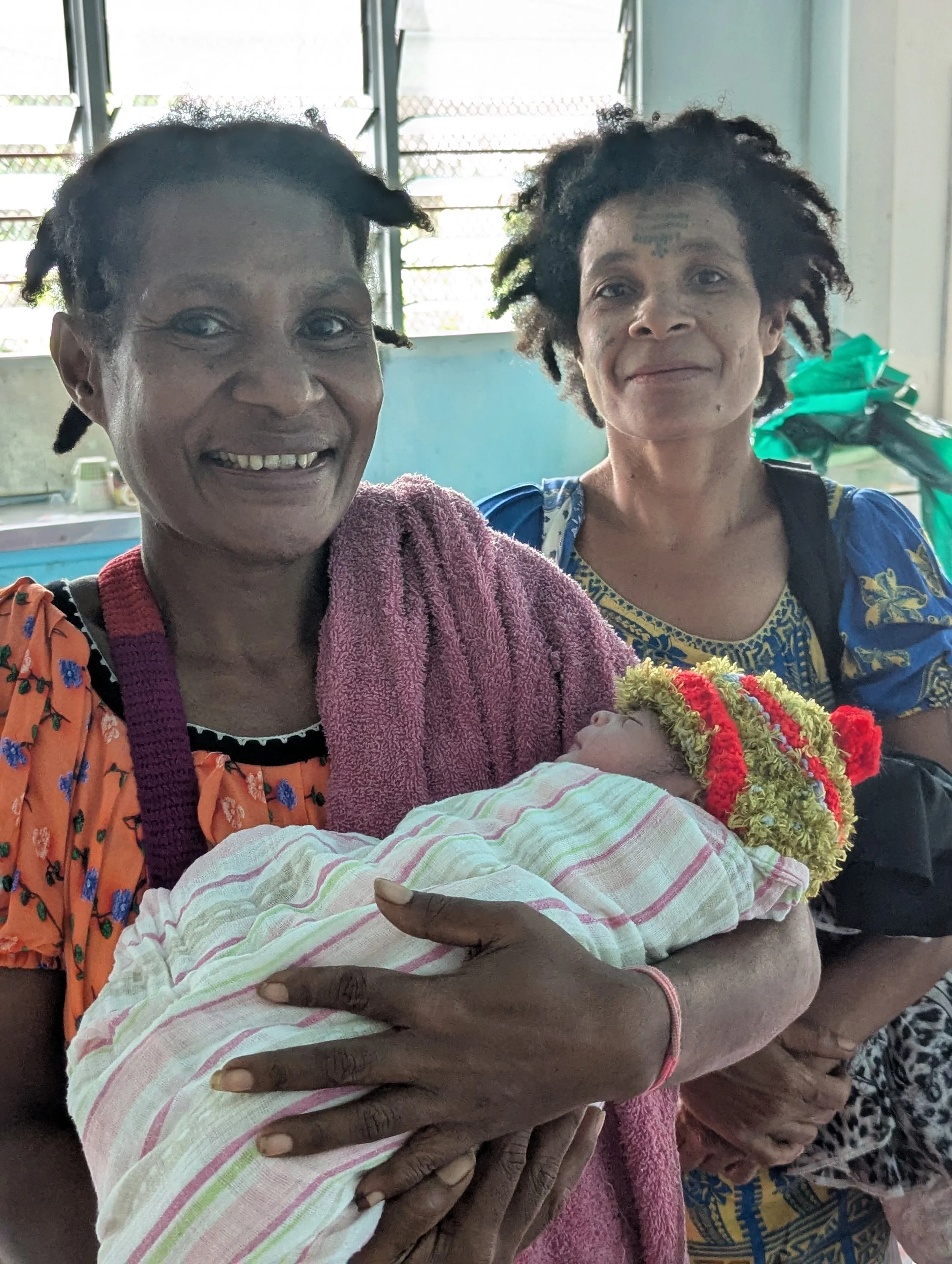
Marie supported staff to assist with a birth, after which we discovered undiagnosed twins. When the second twin could not be delivered safely four hours into delivery, the family was transferred by small speed boat to the hospital (a very uncomfortable 40 minutes trip), unfortunately the mother delivered on the boat and the baby did not survive.
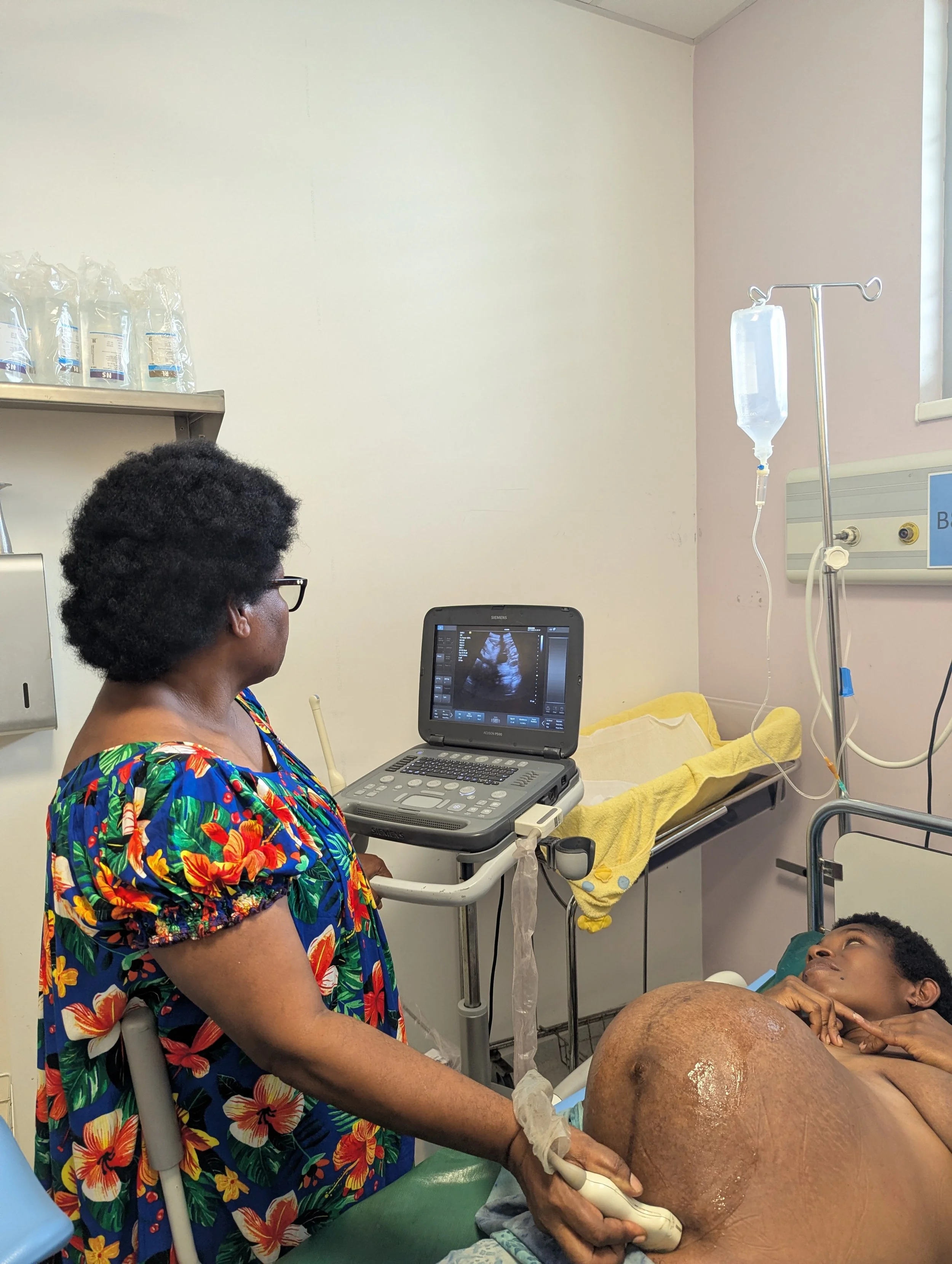
A basic portable ultrasound could have changed this story.
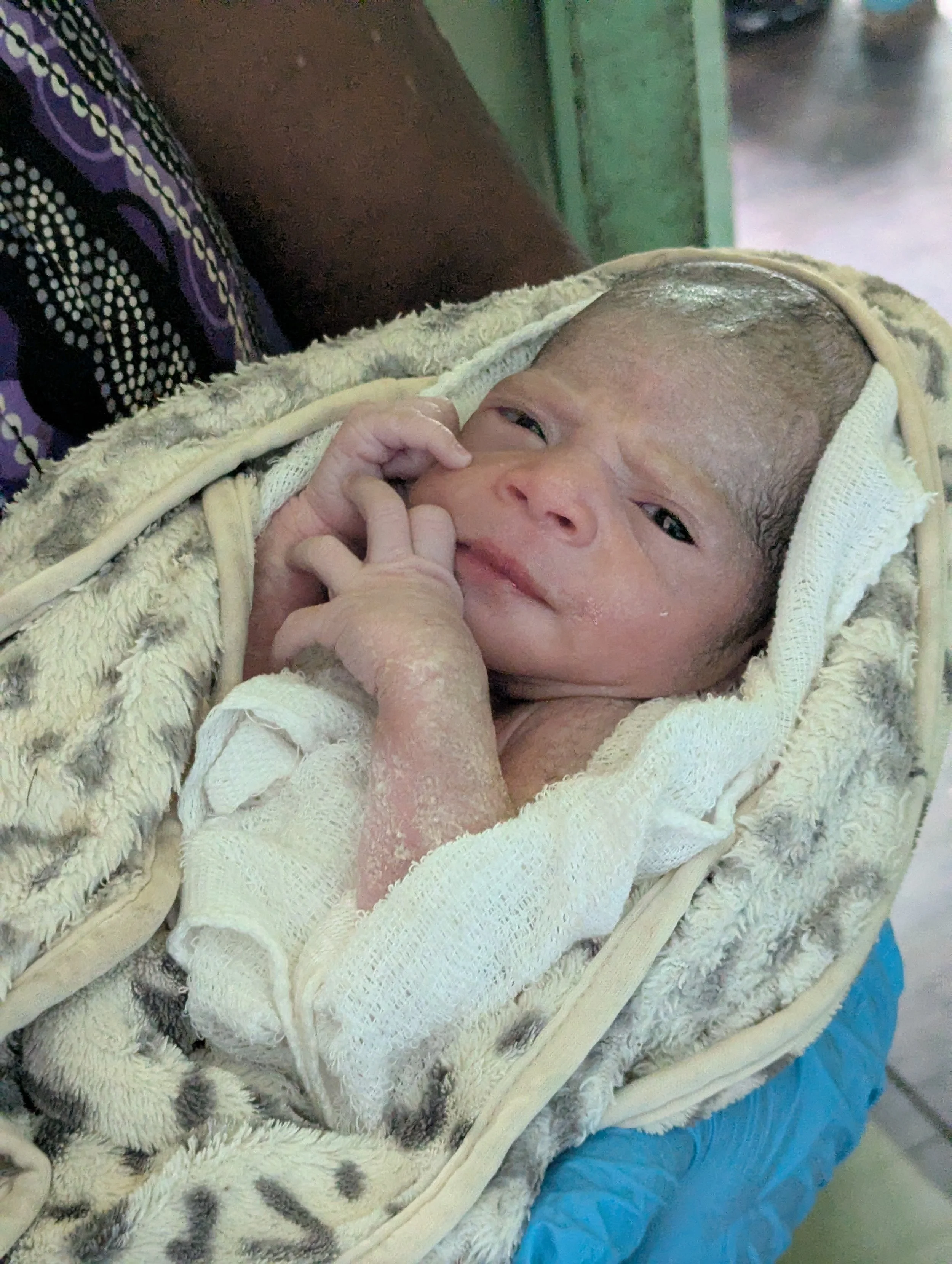
2. Yangoru District — Where Our Container Was Headed
The next day, field visit was made to Yangoru District Health Centre via a bumpy 4-hour 4WD journey, accompanied by both an obstetrician and paediatric specialist. A woman in early labour was assessed with a fundal height of 47 cm. Due to risk of macrosomia, shoulder dystocia, postpartum haemorrhage, and possible twin pregnancy, an immediate decision was made for urgent referral to Wewak Hospital. She was transferred without delay and later delivered safely via C-section, confirming twins..
She later delivered safely via C-section in Wewak.
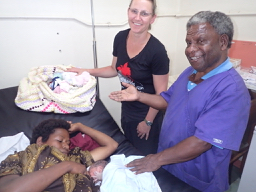
A one-month-old infant presented critically unwell, unable to breastfeed for many hours, with fever and lethargy. The paediatric specialist diagnosed septicaemia and meningitis. IV antibiotics were commenced immediately, and transfer to Wewak Hospital was organised — early action likely saving the infant’s life.
These moments reinforced a core truth of remote PNG health care:
Early assessment + early referral = survival.
Equipment + training = lives saved.
Unfortunately the only obstetrician for the whole district is based at the Provincial hospital in Wewak, and cannot make regular visits to remote clinics. It is here that Community Health Workers bear the burden of managing the complications of health care delivery.

A Province Determined to Improve - Building Long-Term Capacity Through Partnerships
The East Sepik Provincial Health Authority has recently been awarded a 1.2 million Kina maternal and child health grant, recognising their improved health outcomes.
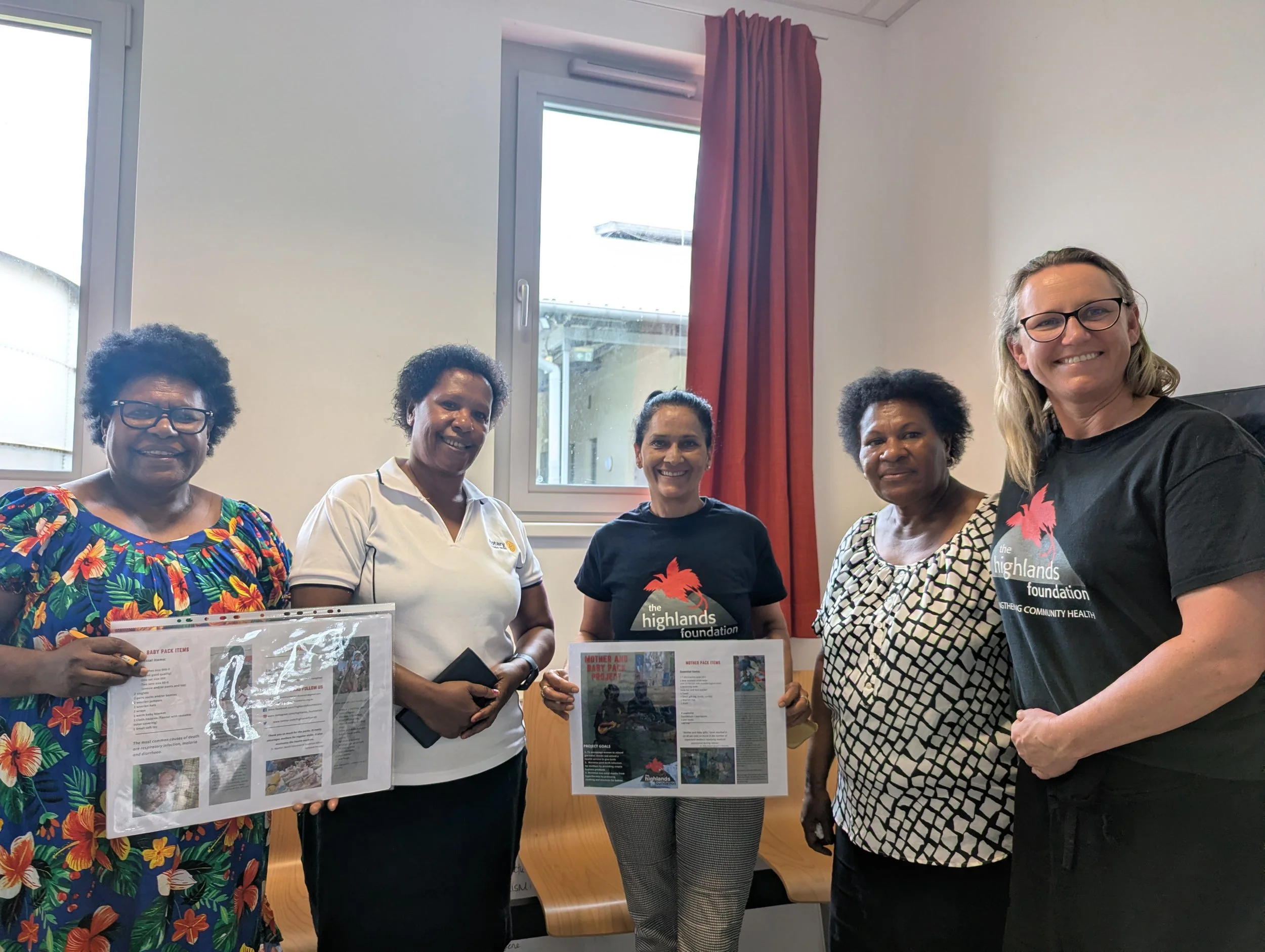
Following a meeting with the CEO, Mathew Kaluvia, some of this funding will help local teams produce their own mother & baby packs, with our support. We connected the local Wewak Rotary club, local wholesalers,and senior ESPHA staff to help them discuss and plan for the ongoing production of mother and baby packs within PNG, reducing long-term reliance on containers.
At this time we are aware that these partnerships are liaising and we will continue to support this capacity building.
Yangoru District Health Centre — The Container’s New Home
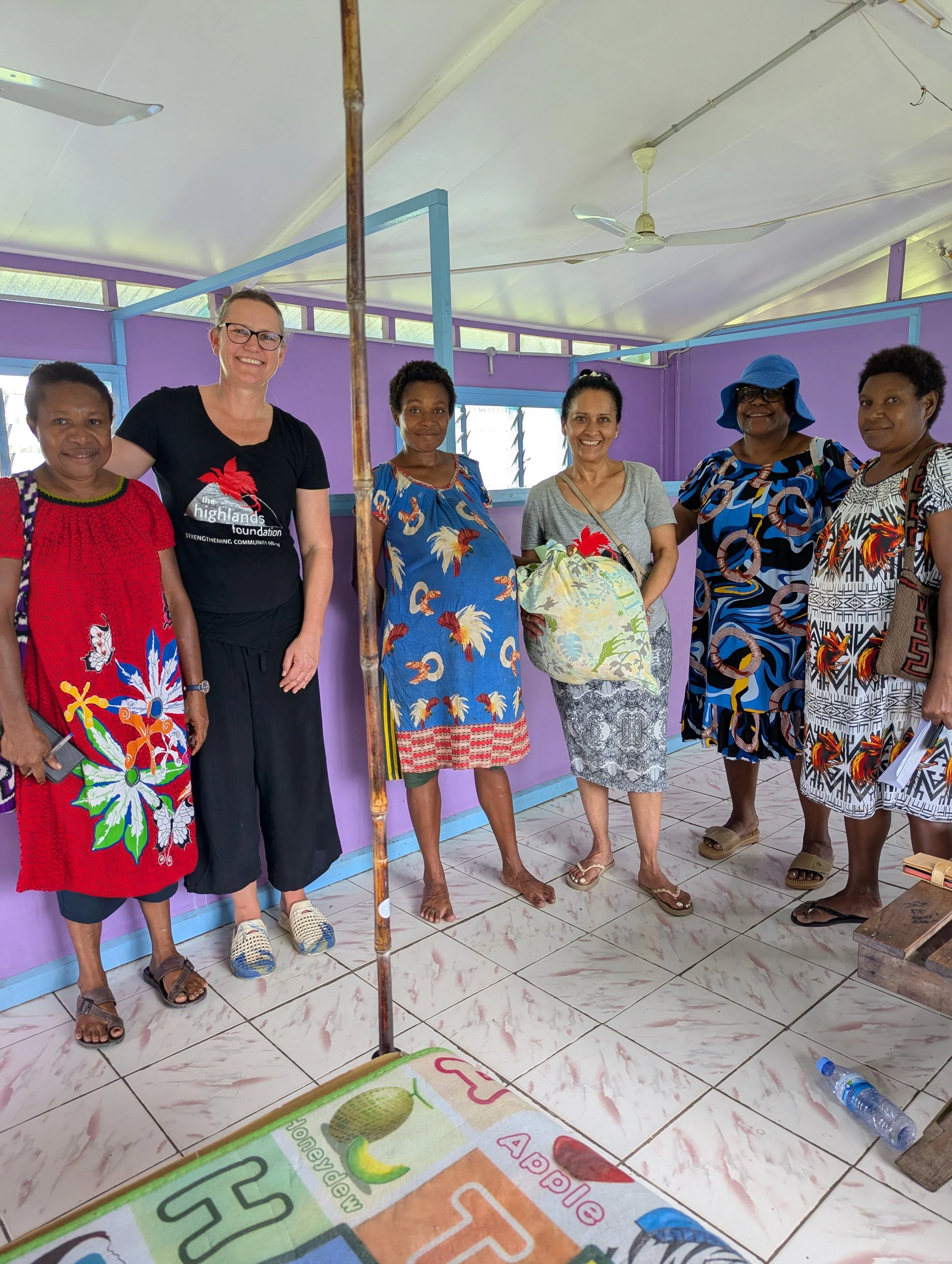
District Manager and midwife Glenis, who curated the wishlist, welcomed us with open arms.
Local realities include:
30 births per month, with 2–4 referrals to Wewak
High levels of TB, with 760 current cases
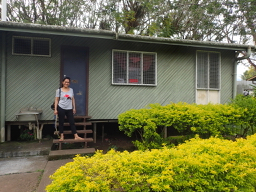
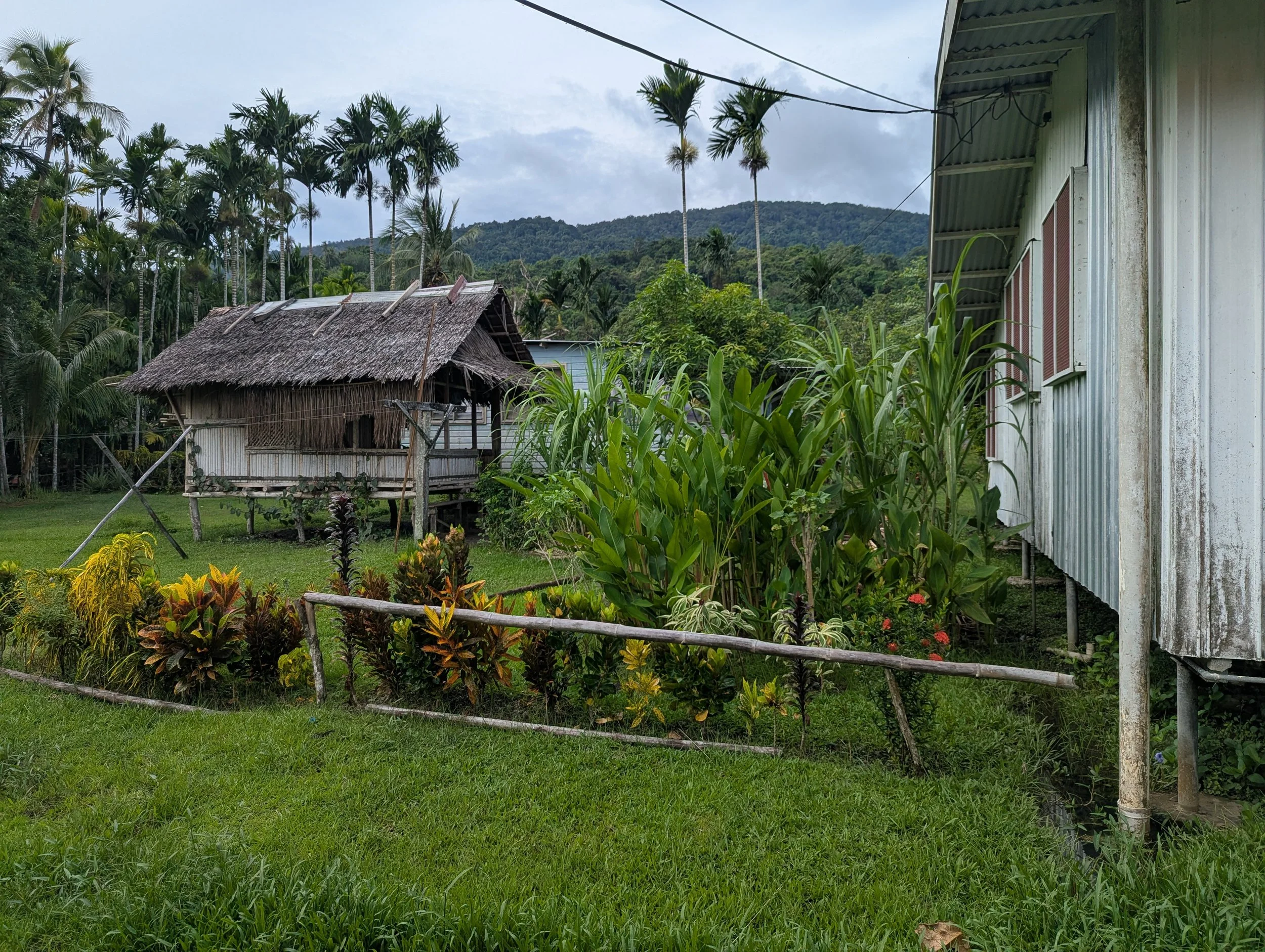
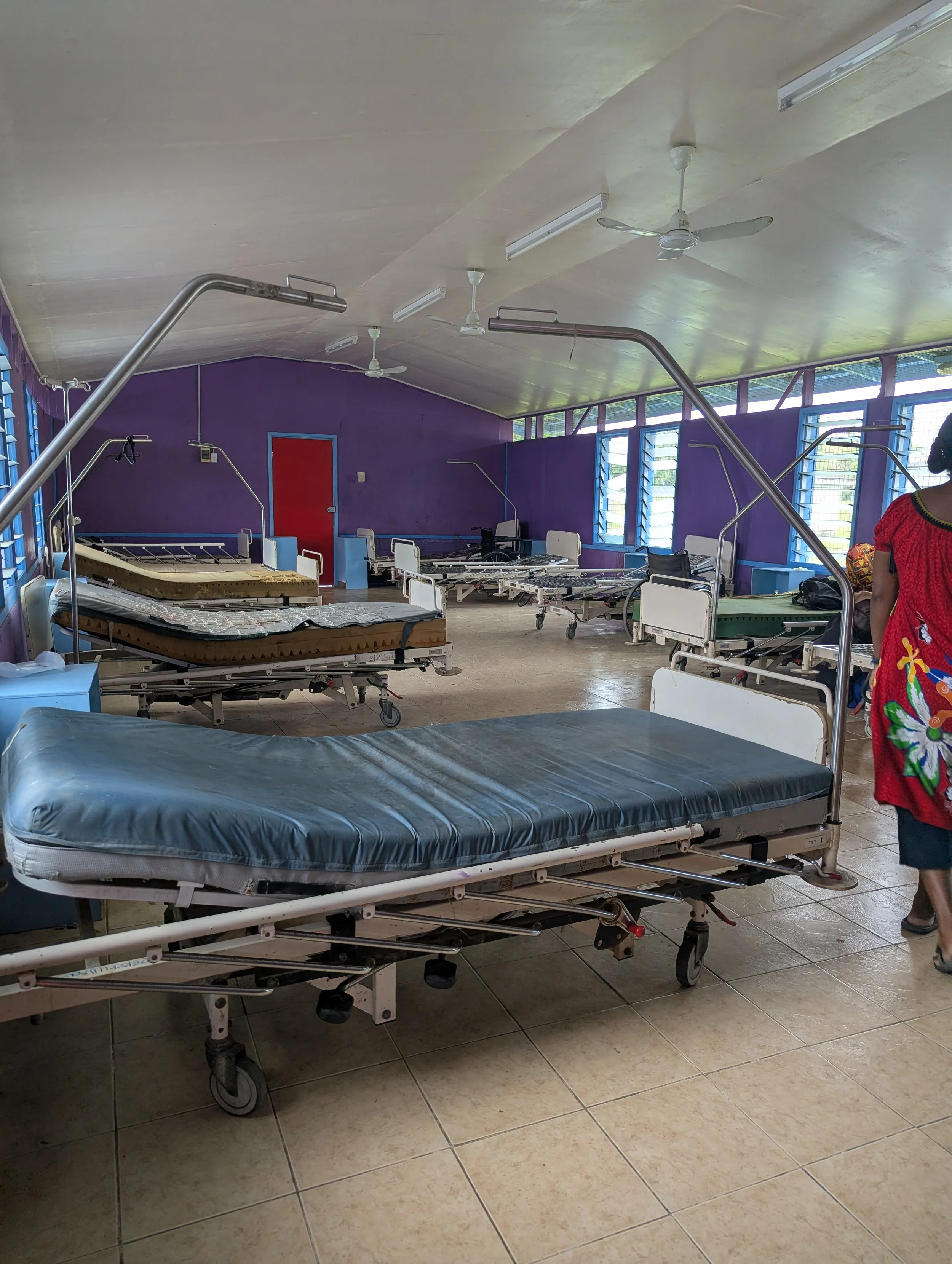
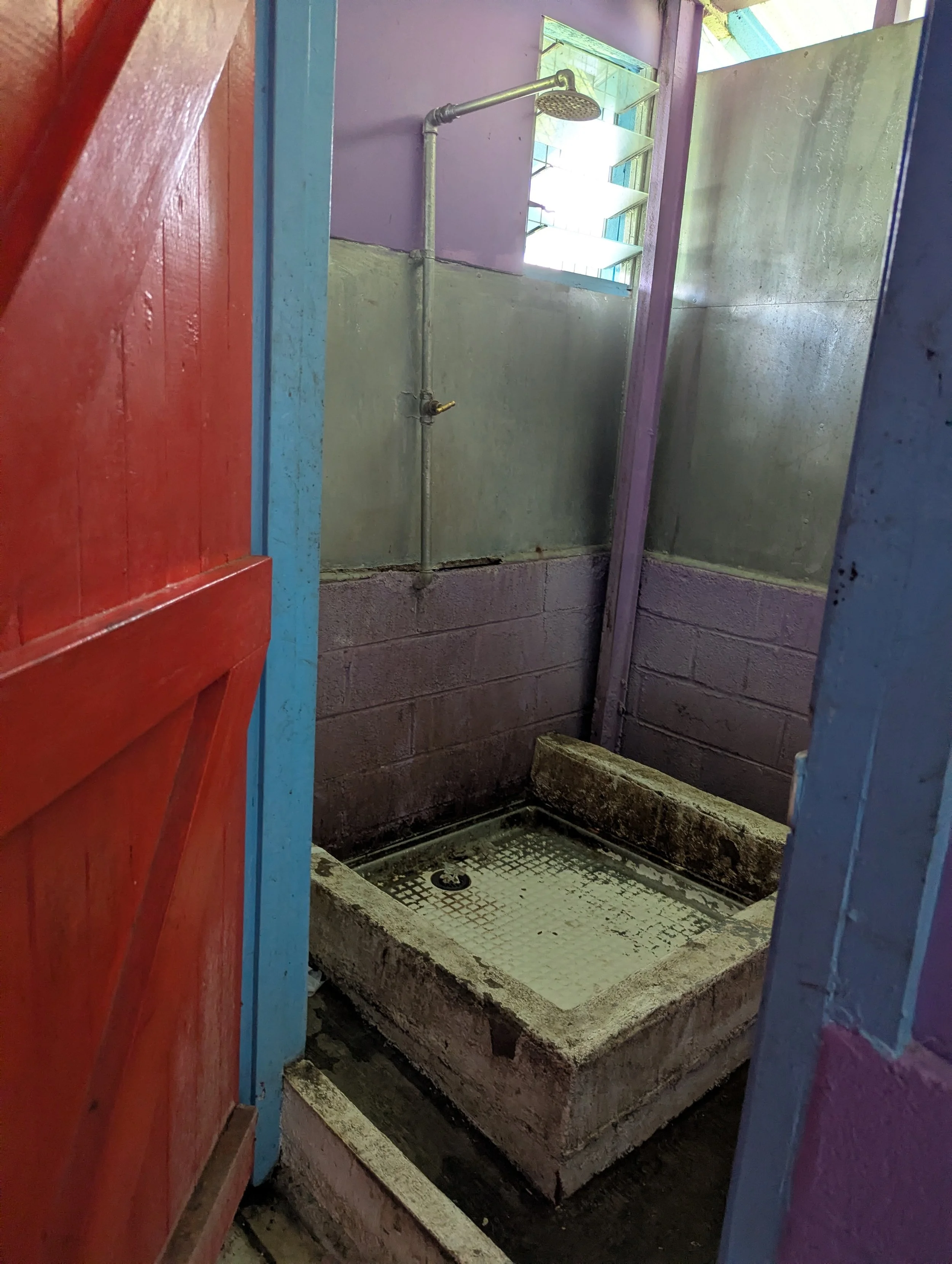
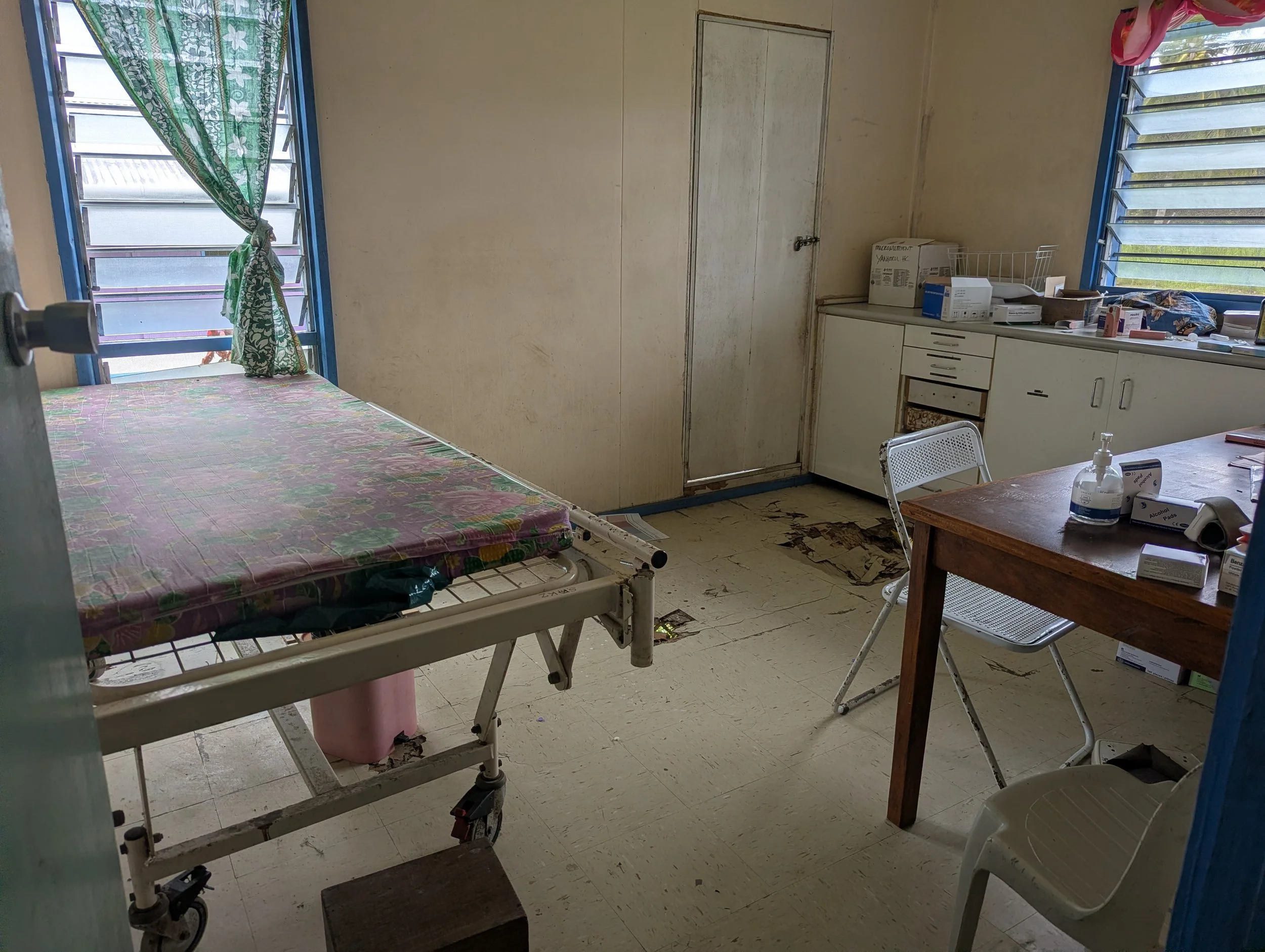
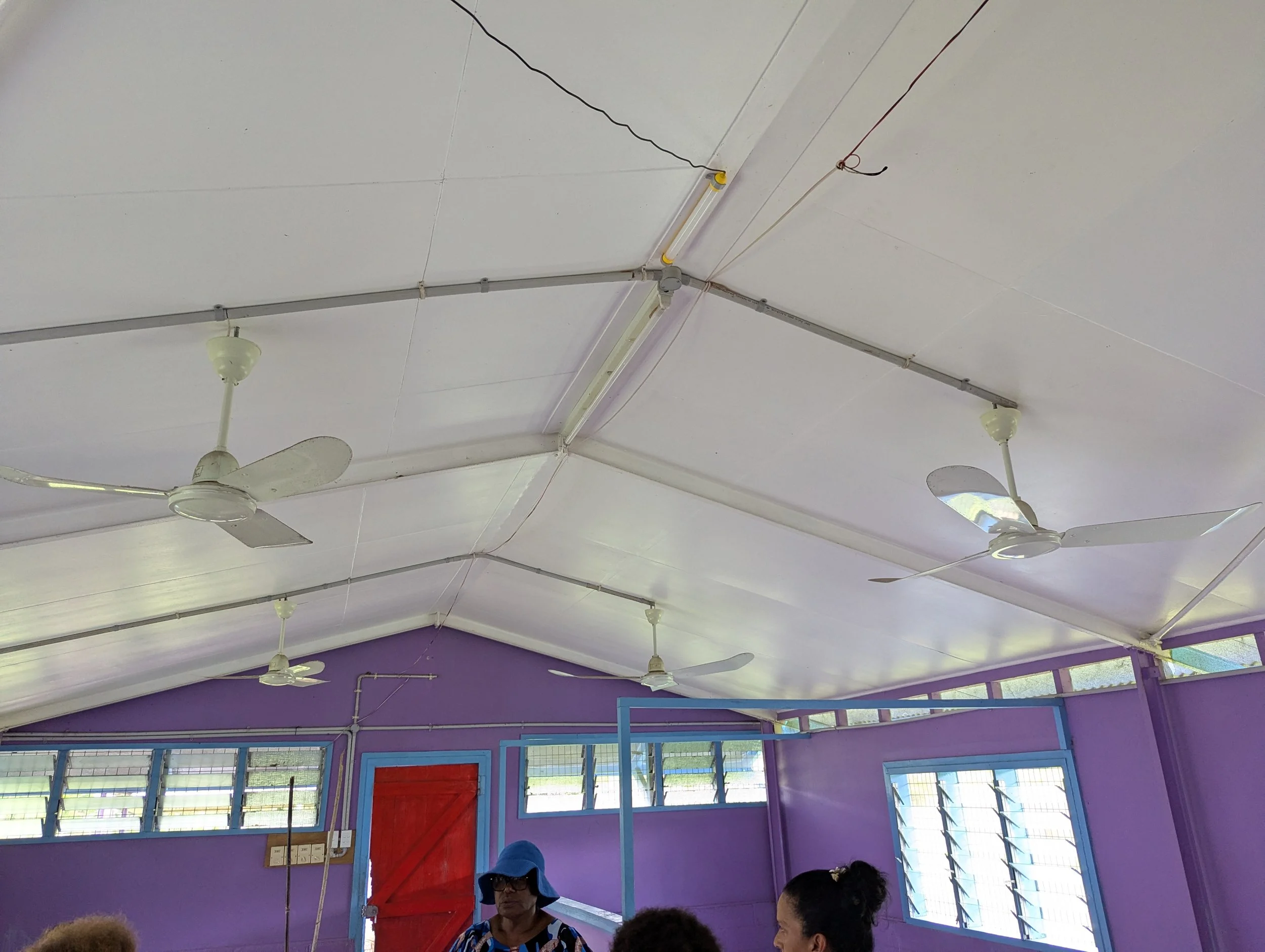
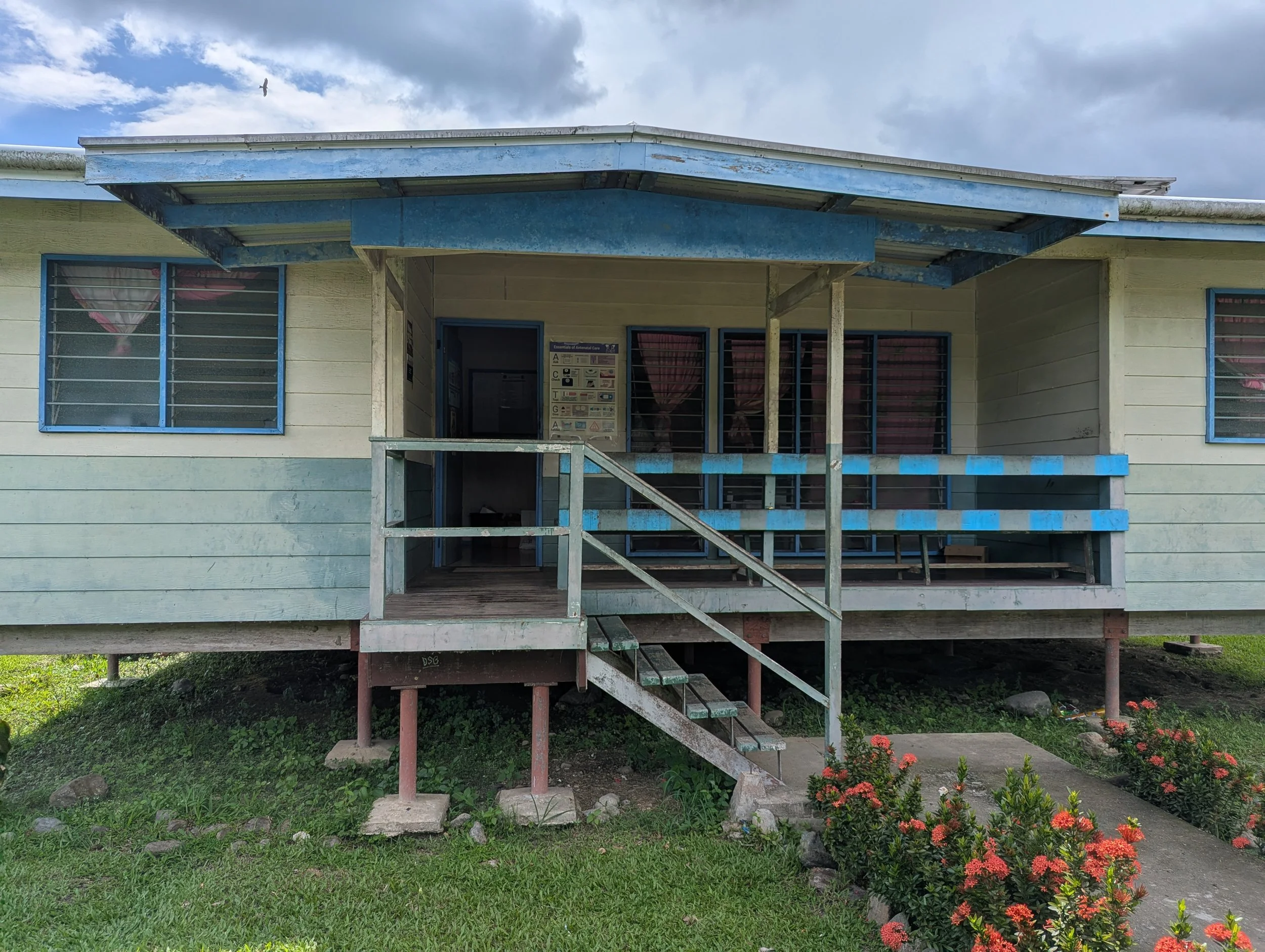
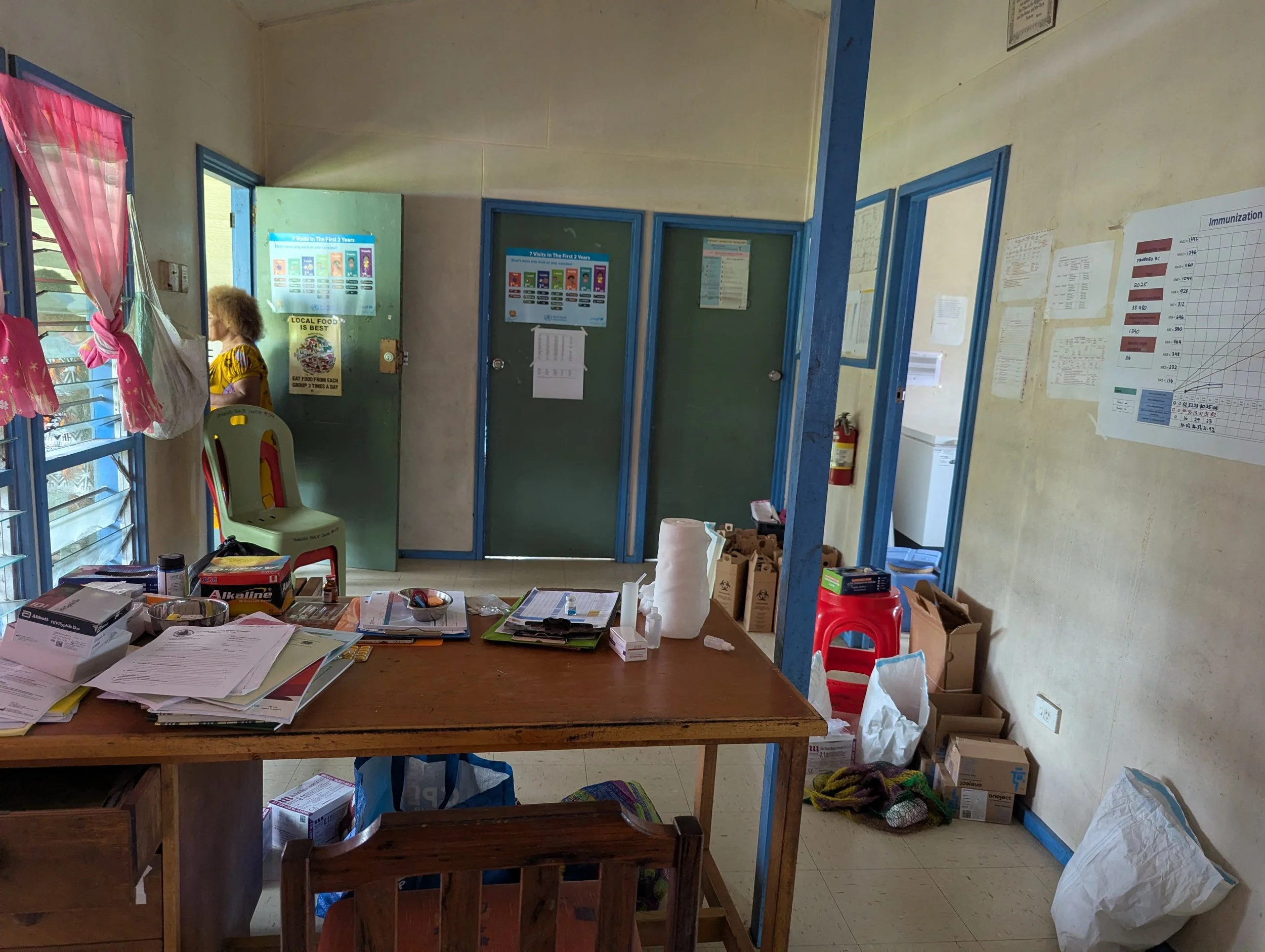
A run down health centre, with holes in the floor of the antenatal clinic, no power for over 10 months. 2 small solar lights, no sterilisation and beds with no mattresses or mouldy, ripped mattresses. No linen, and limited consumable medical supplies.
4 hour drive to Wewak provincial Hospital
Strong commitment to improving services and supporting mothers who often birth at home
This is where the container’s precious supplies — valued at over $100,000 AUD — will make an immediate impact.
The birthing bed will support safer deliveries, especially supporting suturing post birth, the consumables with help with sanitation and support health workers to complete medical procedures.
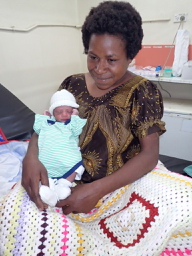
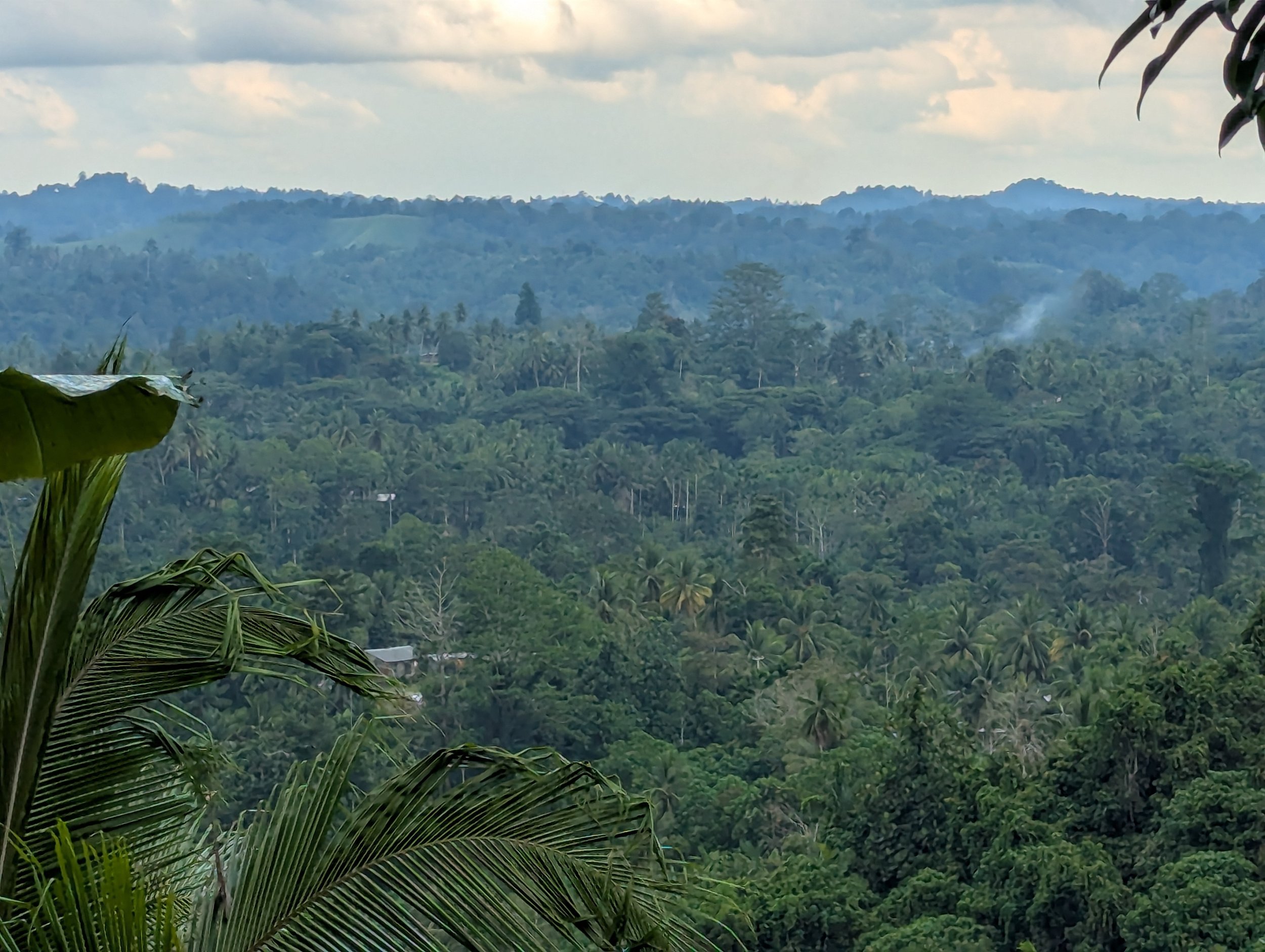
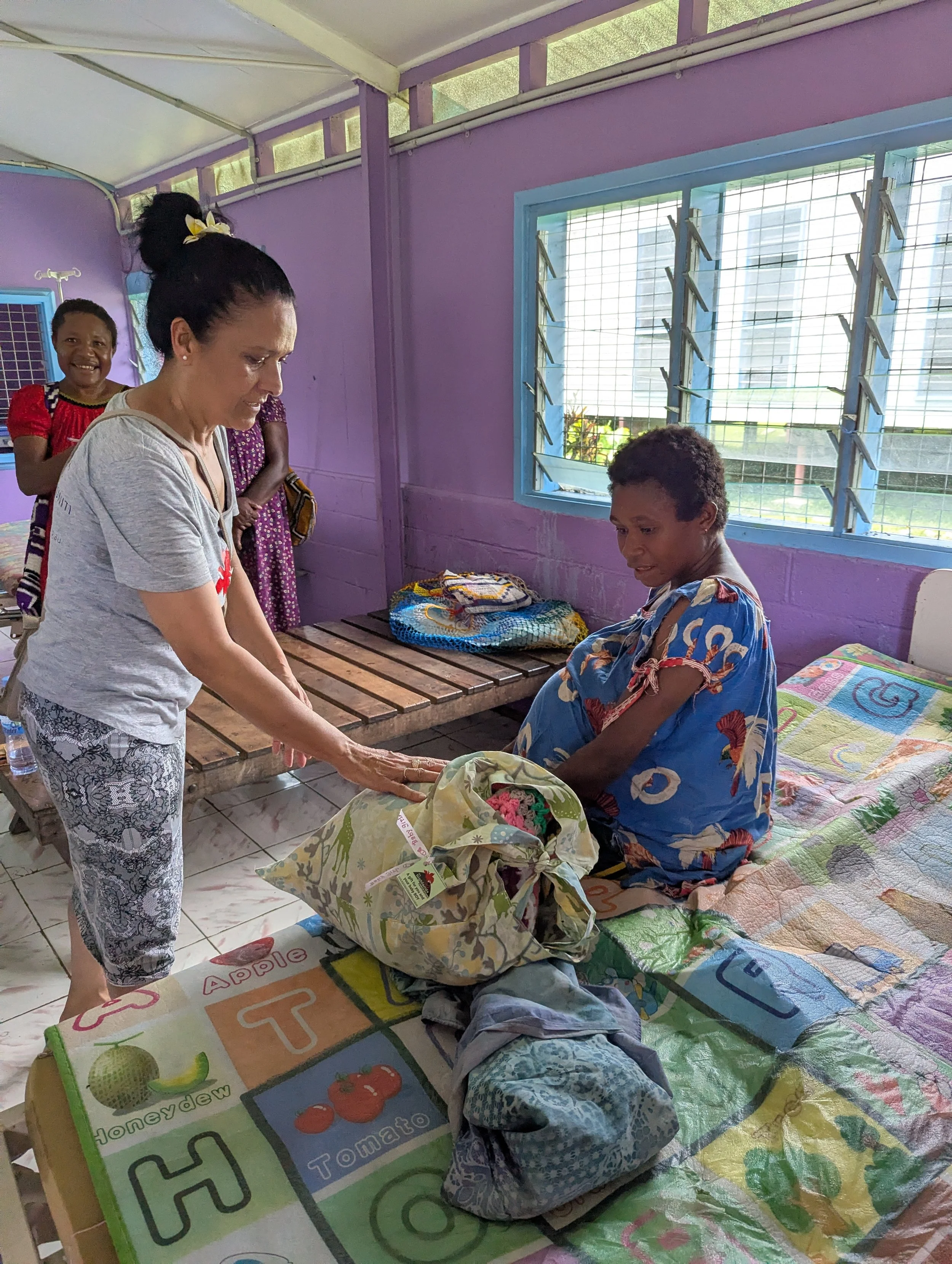
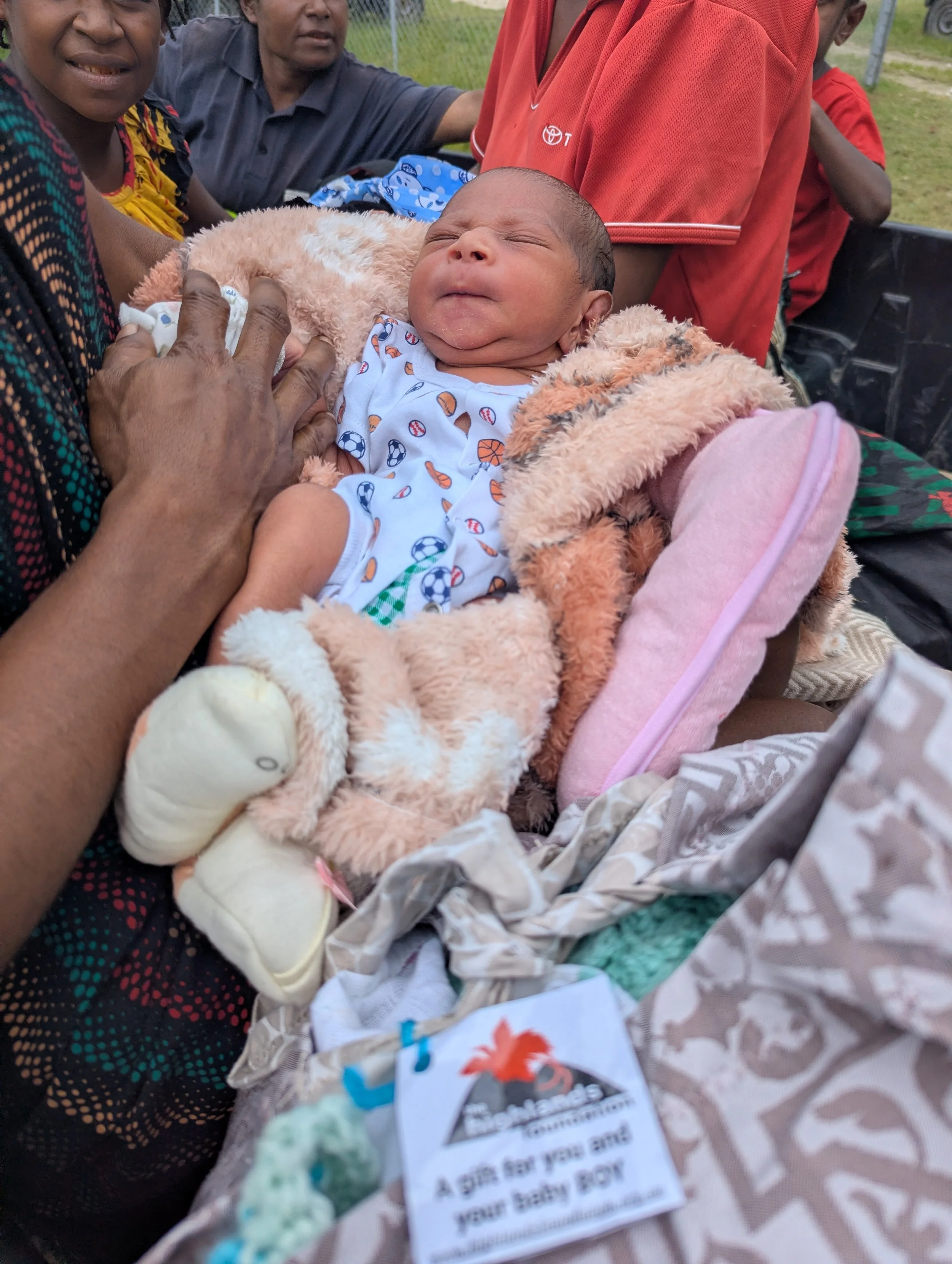
The mother and baby packs will encourage women to make the trek into the health service. The district is mountainous, with many women still birthing at home with little support. Even though the health centre is lacking, outcomes for women are improved if they see the midwife for antenatal visits and supported birth.
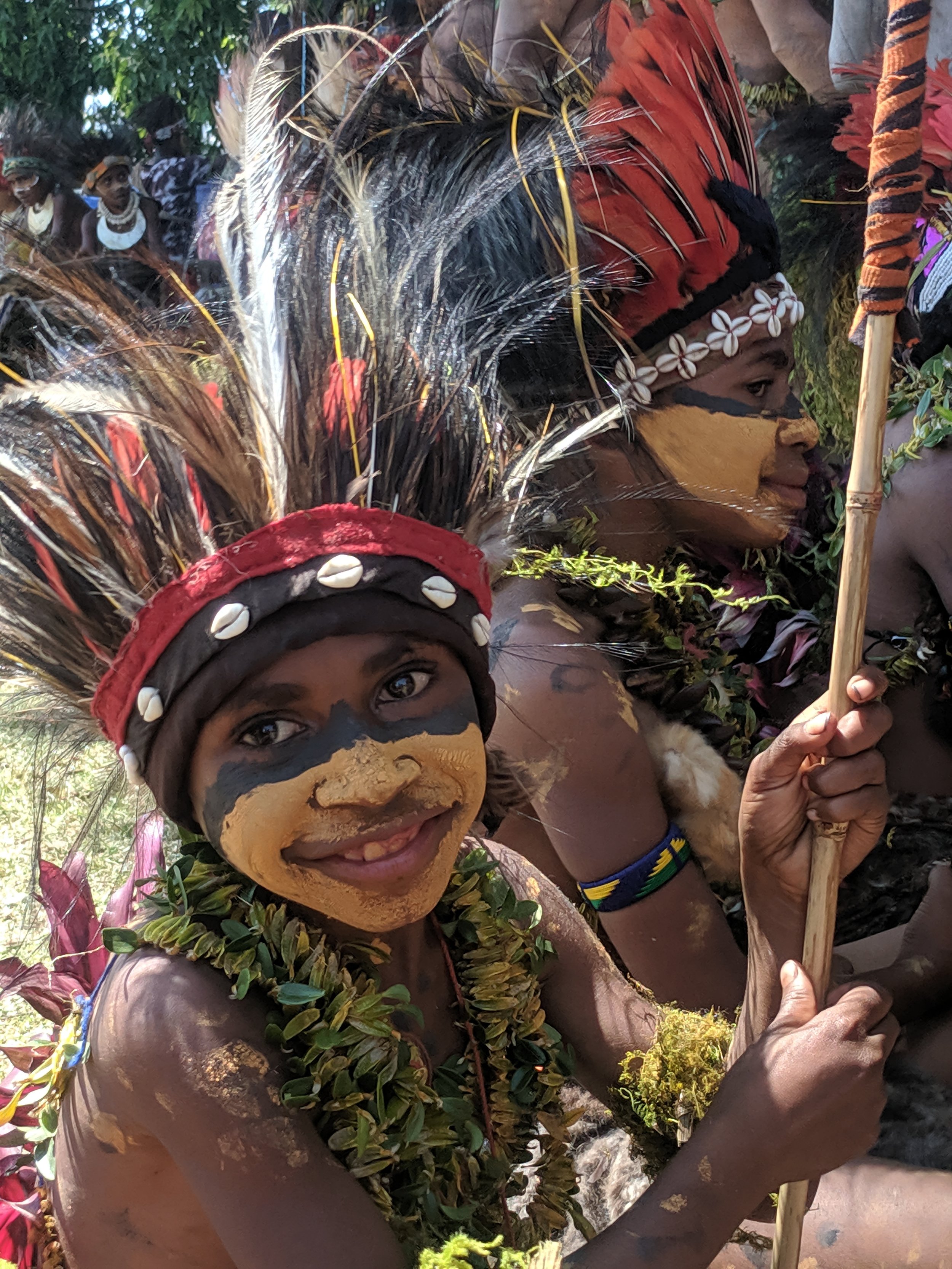
Community, Culture & Connection
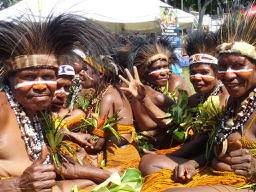
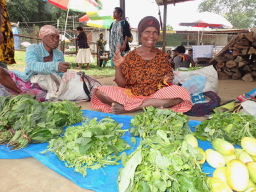
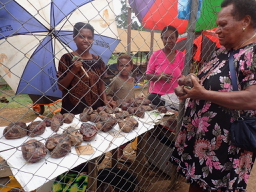
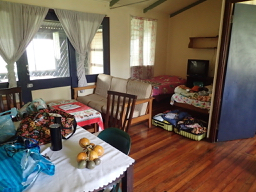
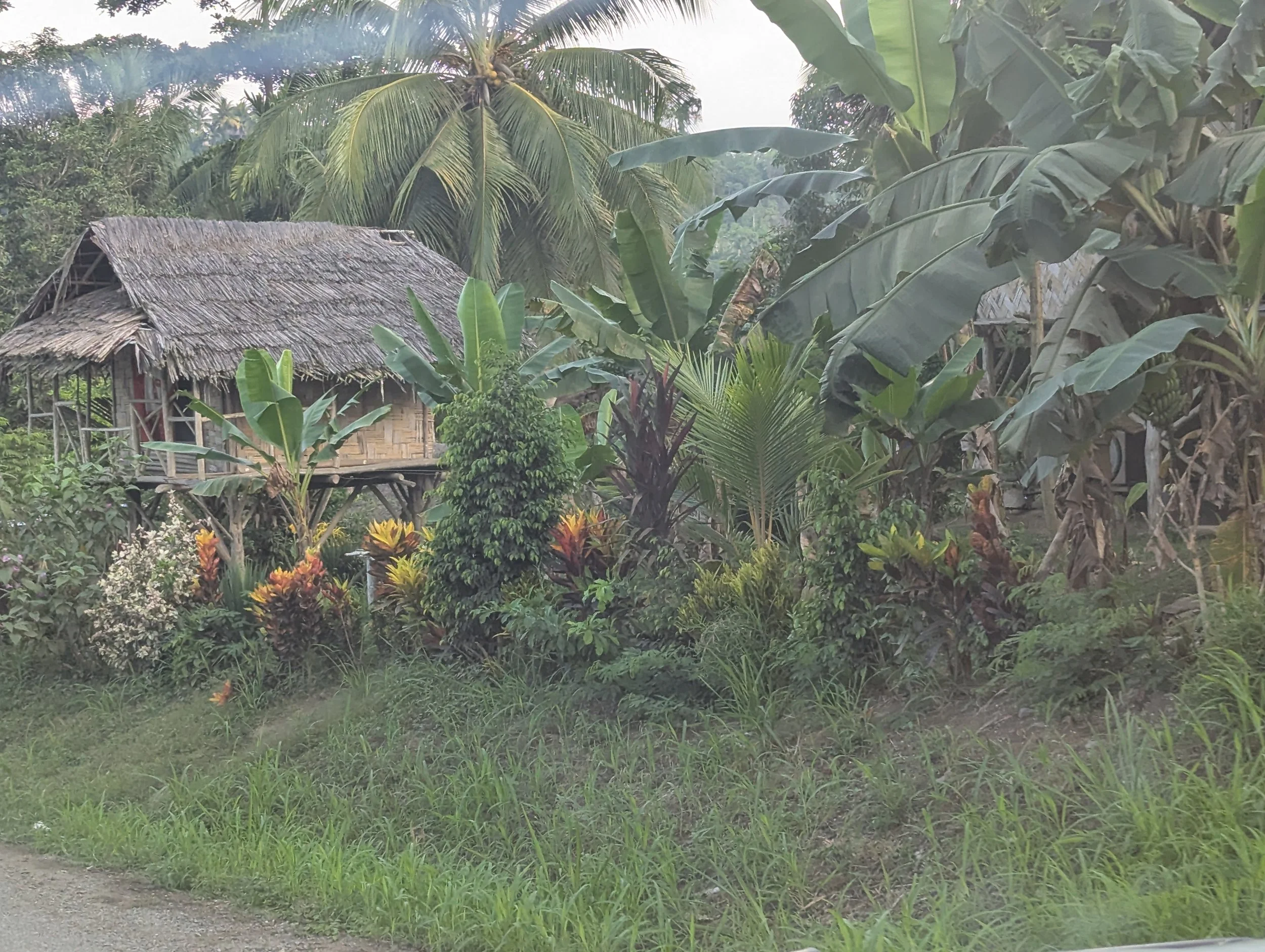
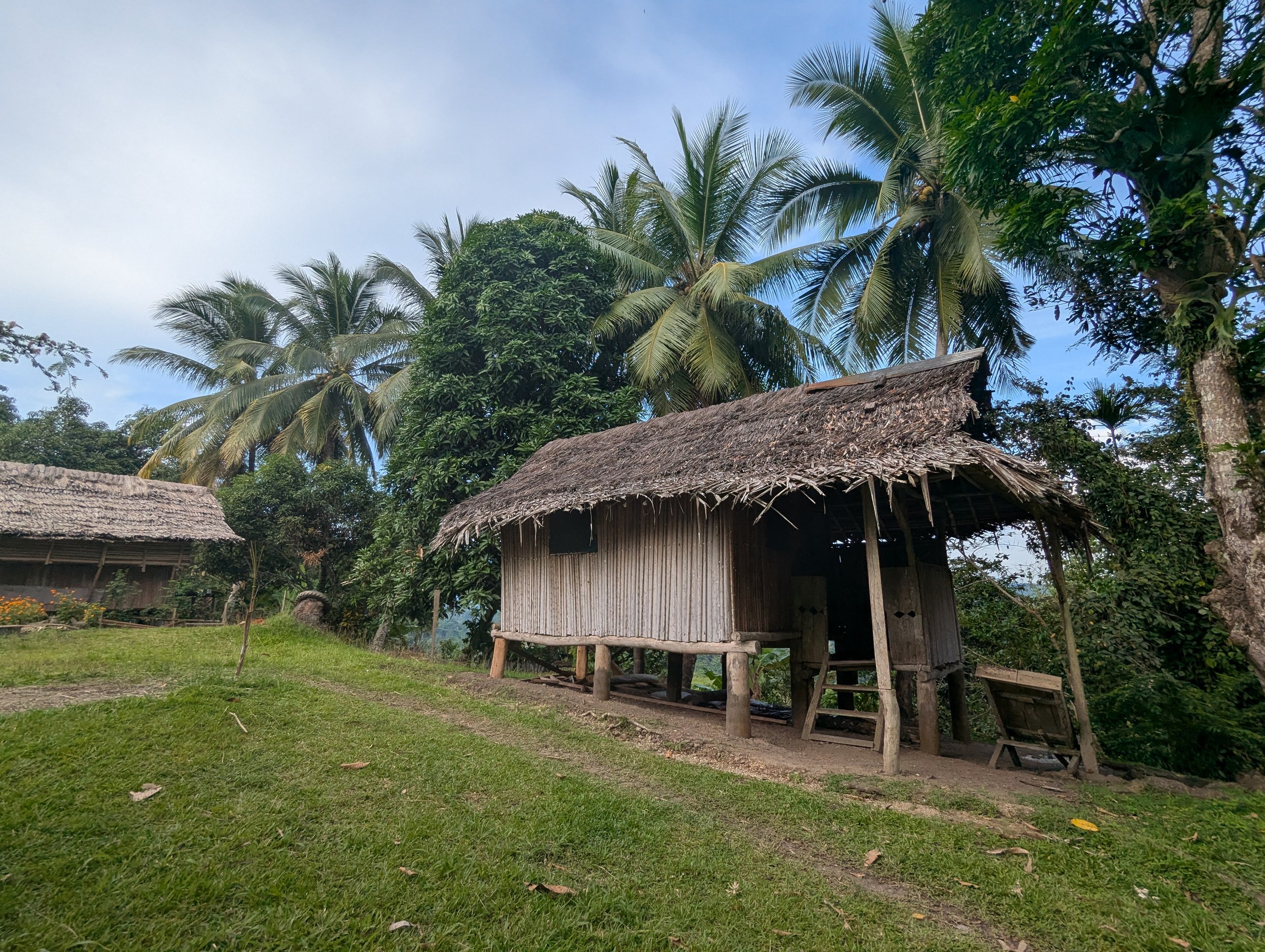
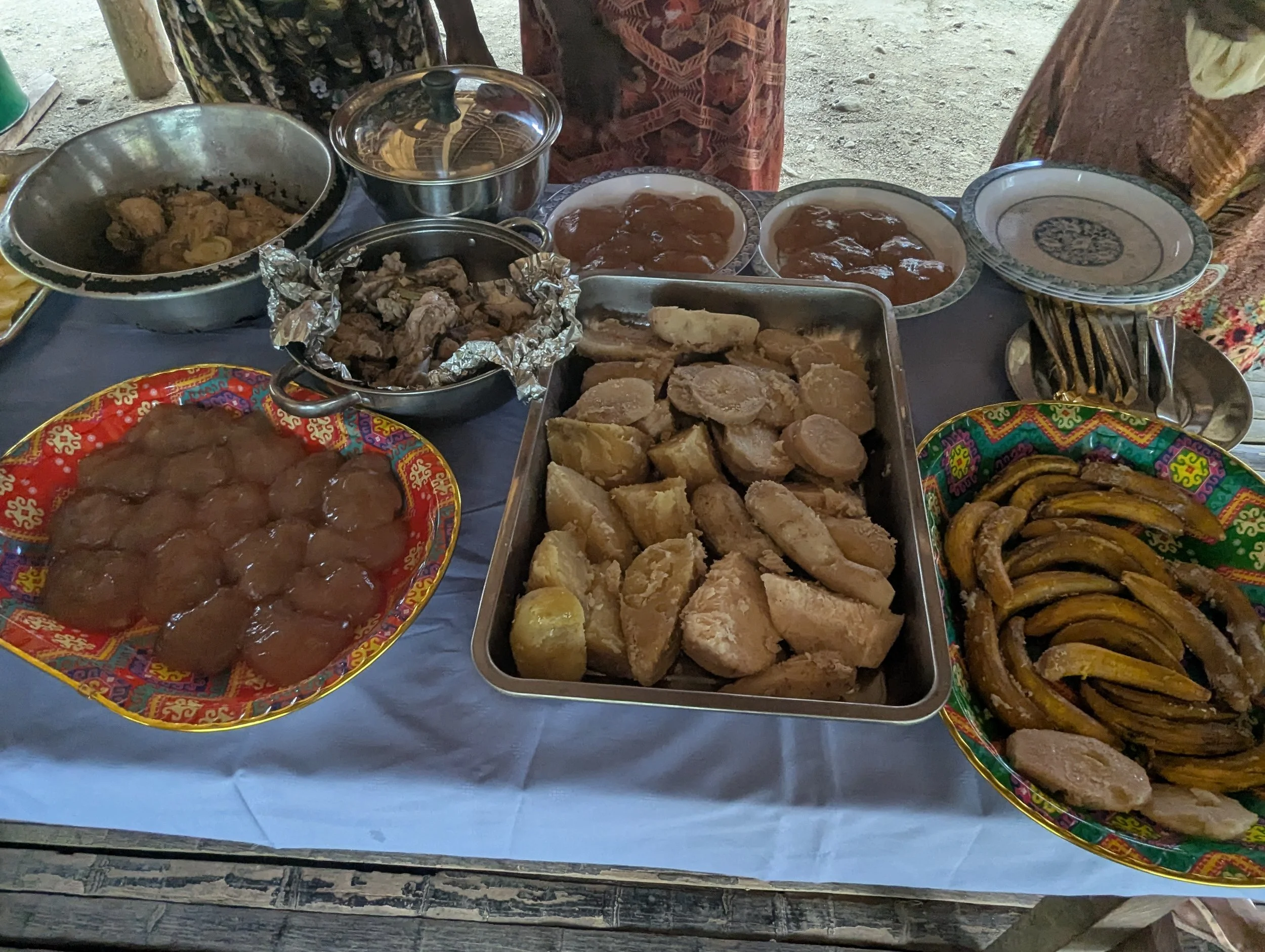
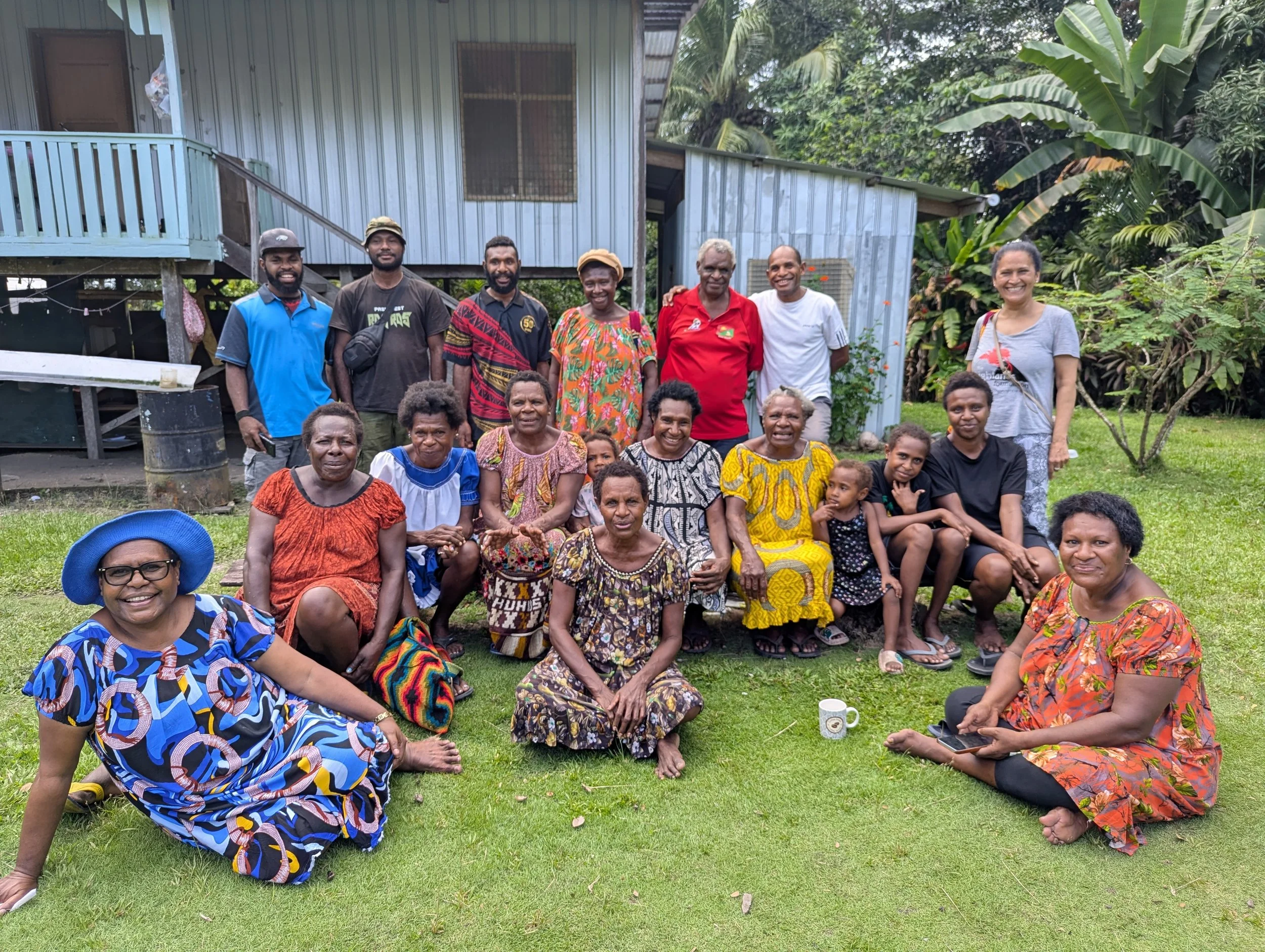
We were privileged to be hosted by Linda Tano’s village, where we experienced extraordinary hospitality and shared a traditional lunch of:
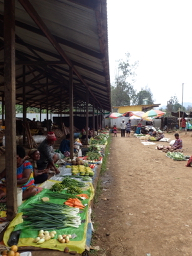
Locally grown taro, sweet potato, bananas, greens cooked in coconut milk, home-grown chicken, and sago.
This personal connection underscored why our work matters — communities are strong, generous, and deeply committed to caring for one another despite significant resource limitations.
Strengthening Partnerships to Support Container Delivery and Local Capacity
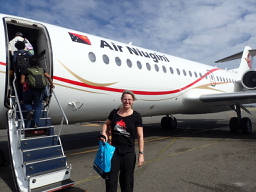
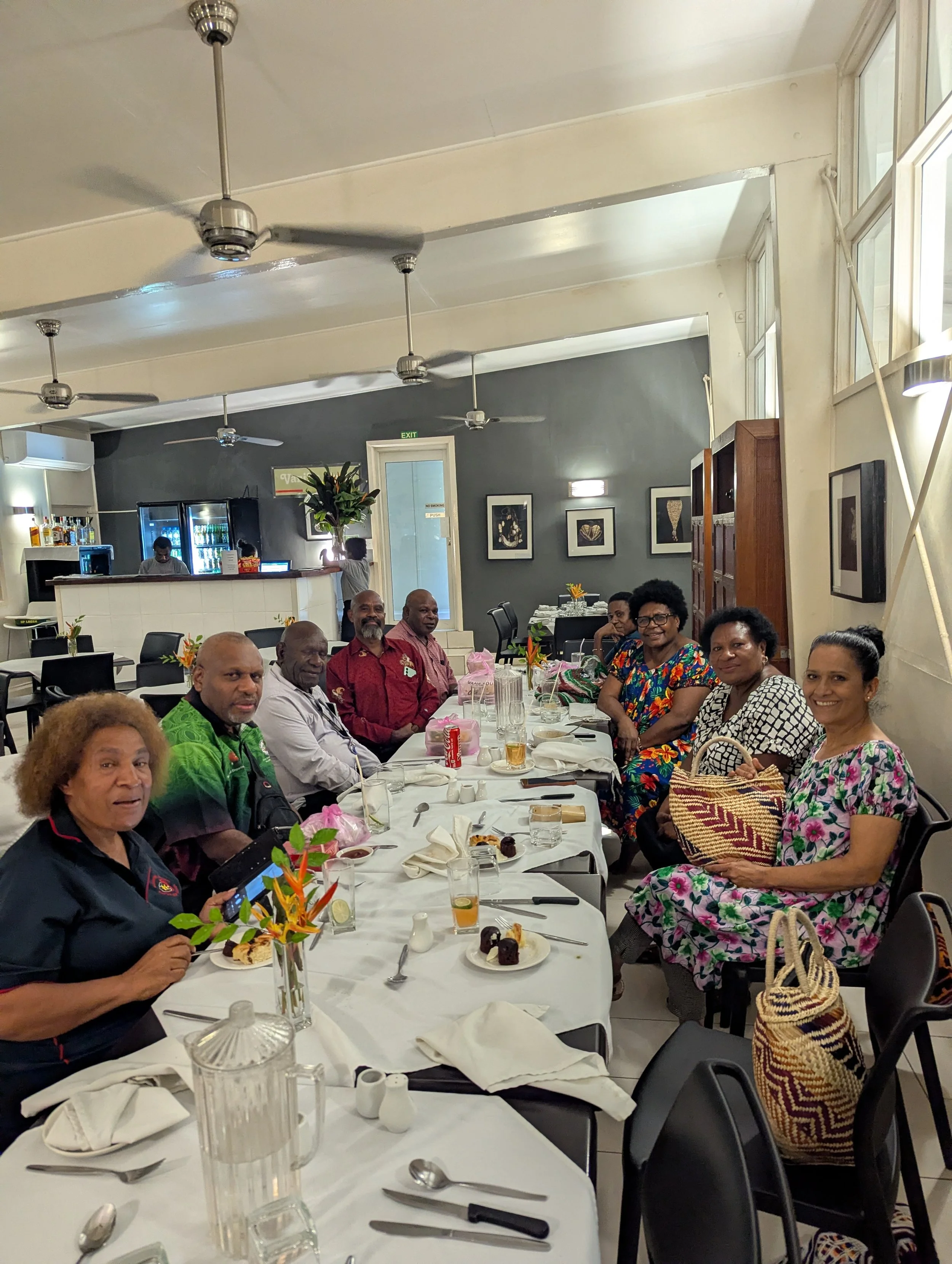
This container was the most challenging delivery The Highlands Foundation has managed to date, reinforcing the importance of strong, strategic partnerships. On departure from Port Moresby, Marie and Kylie met with Florence Willie, President of the Rotary Club of Port Moresby, who has since provided valuable connections with Australian Rotary clubs in Brisbane to support future container delivery and logistics. Rotary Port Moresby also expressed strong interest in our Mother and Baby Pack program, including exploring how locally made packs could support communities in the Port Moresby region. We also met with a representative from PNG Ports, establishing an important connection to assist with future customs clearance and port logistics. In addition, we are following up with an East Sepik Provincial Health Authority (ESPHA) Board member who owns a shipping company, further strengthening our in-country shipping support. While container delivery will always remain slow and costly—and essential for supplying medical equipment to remote areas—supporting local capacity building reduces reliance on external aid, empowers communities, and allows health interventions to be better targeted to local needs. By combining strategic logistics partnerships with community-led initiatives, we can improve maternal and child health outcomes in a more sustainable and responsive way.
Moving Forward Together
Our trip reaffirmed that:
On-the-ground visits matter — for trust, connection, and understanding real needs.
Partnerships are powerful, especially when they support local solutions.
Mother & Baby Packs save lives, and East Sepik is now preparing them to produce them locally.
A clear approach to wishlists — identifying the Top 10 Must-Haves — helps ensure we deliver what is needed most. We receive wishlists with 100s of items requested. Working with recipient to narrow down their must haves will enable us to target how best we spend money to purchase items that are difficult to find donated
We left East Sepik deeply moved, inspired, and grateful for the extraordinary people working tirelessly in remote PNG.
To all our supporters — volunteers, donors, knitters, sewers, packers, fundraisers, and advocates — your contributions are felt in every village, health post, and ward we visited. Thank you.